Potassium fertilizer increased leaf potassium and reduced late-season stem rot in a 2026 Delta rice trial, but yields did not appear to improve, according to UC Cooperative Extension’s Nov. 10 season recap. The preliminary findings leave a distinction for growers: better plant nutrient status and less disease did not translate into an apparent harvest benefit.
Statistical analysis is still pending, so the results do not establish a fertilizer rate recommendation. Alongside that trial, UCCE documented an armyworm moth peak about a month earlier than usual, with no second peak later in the season. Both projects examined questions specific to rice production in the Delta’s soils and cooler growing conditions.
Potassium response remains field-specific
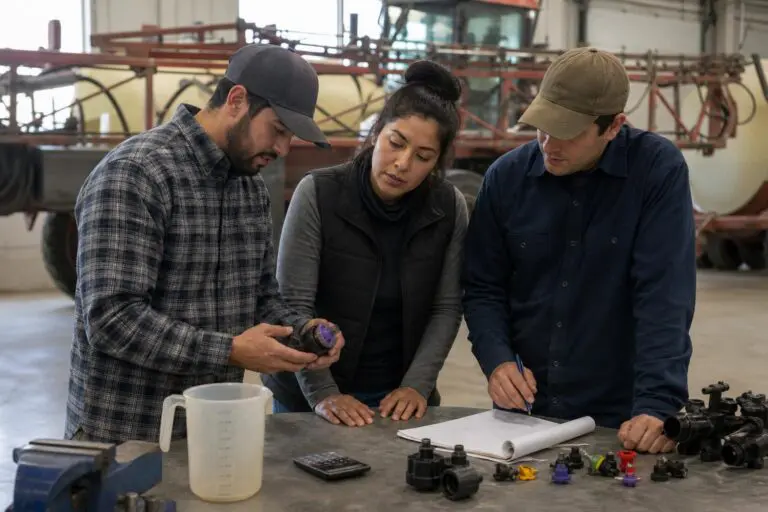
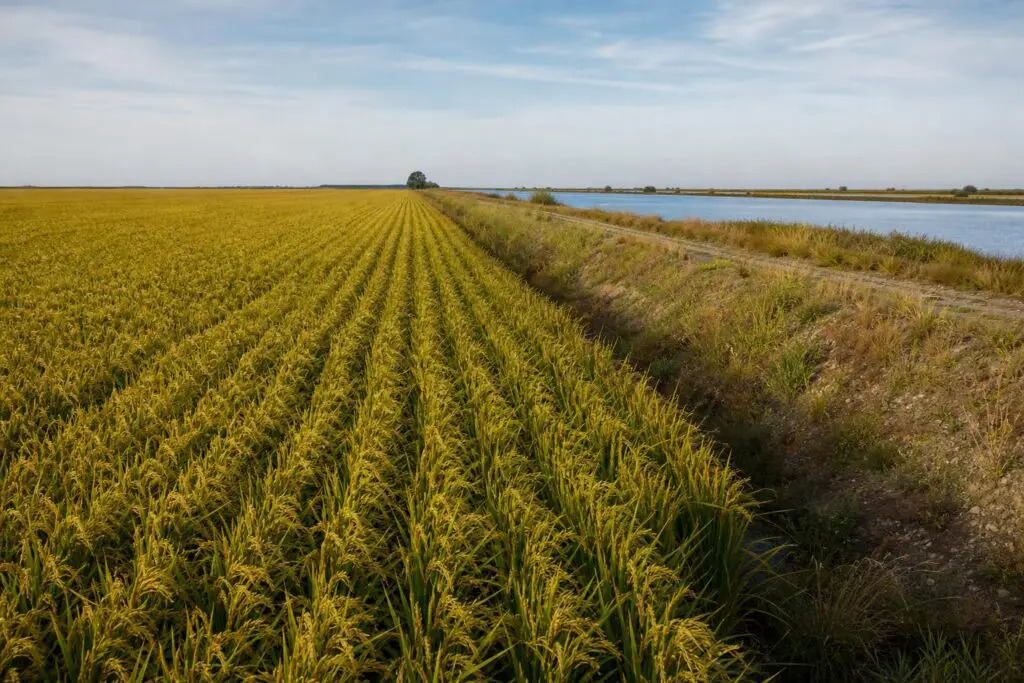
The potassium experiment tested M-105 and M-210 at five rates: zero, 50, 100, 150 and 200 pounds of potassium per acre, across four replicate blocks. Soil tests at planting measured extractable potassium at 76 to 87 parts per million. The trial sat beside UCCE’s Delta variety trial, allowing researchers to investigate fertility under local production conditions.
Those soil measurements fell within a range where potassium fertilizer would likely help, based on work by UC Rice Extension Specialist Bruce Linquist cited in the recap. That work identifies less than 60 parts per million as deficient and 60 to 120 parts per million as potentially responsive. The thresholds provide context, not proof of a yield response in this trial.
UCCE’s initial review found higher leaf potassium at late tillering and lower stem rot incidence late in the season. Aggregate sheath spot, another disease that can worsen with potassium deficiency, did not appear to improve. The forthcoming statistical report will be needed to assess the results more fully; the recap does not identify a preferred rate.
Earlier research helps explain why the question remains field-specific. A 2023 UCCE fact sheet by Michelle Leinfelder-Miles and Bruce Linquist reported that withholding potassium reduced yields in one of two trial fields. It also noted that harvest removes potassium from the system, especially where growers bale straw, and cautioned that results may not apply throughout the Delta.
That fact sheet recommends using soil and leaf sampling to guide fertilizer decisions rather than assuming every Delta field has the same needs. It also reported similar yield results when potassium was applied at planting or just before permanent flood. Those older findings are background for the new experiment, not a substitute for its pending analysis.
Early armyworm activity did not produce a second peak
The armyworm season began with a different uncertainty: unusually early moth activity. In its June 1 monitoring update, UCCE reported more moths than it had previously caught at that time of year in its monitoring record, which extends to 2016. The update suggested a very warm March might explain the timing, but treated that explanation as tentative.
The monitoring network used nine pheromone bucket traps at three Delta locations, with three traps in adjacent checks at each location. Weekly results were expressed as moths caught per day, averaged across the nine traps. That regional average tracked seasonal activity, while the accompanying field scouting checked for crop damage that trap catches alone could not establish.
By November, UCCE reported that the early peak had not been followed by a second peak during heading, a possibility raised earlier in the season. Catches differed among farms and among fields on the same farm. Based on conversations with pest control advisers, UCCE also reported that armyworms were not severe enough to require spraying on many Delta farms.
Why Delta conditions shape the research
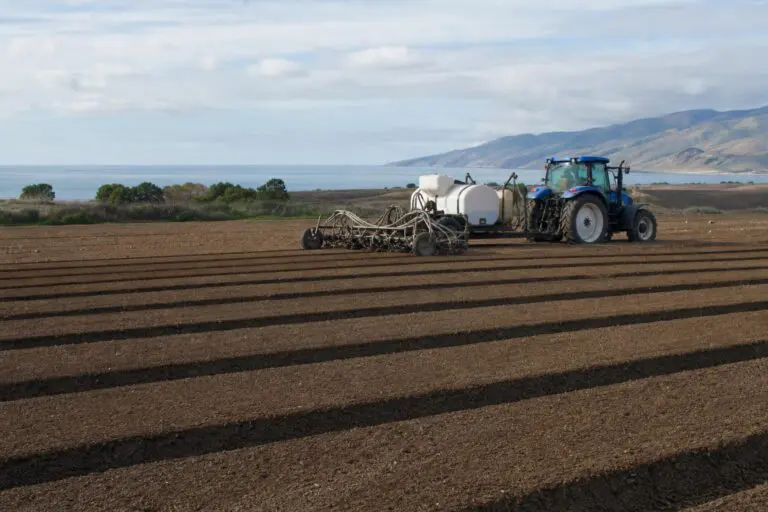
Local conditions explain the emphasis on Delta-specific trials. The 2023 fact sheets describe rice soils with high organic matter and low bulk density. In water-seeded fields, that lightweight soil can become suspended and then settle over seed, reducing establishment. Delta growers instead drill-seed into moist soil, while cool conditions favor very-early and early maturing varieties.
The Delta site was the only drill-seeded location among eight sites in the 2026 statewide variety trial. UCCE reported moderate summer temperatures there, with average June-through-August daytime highs of 90 degrees and nighttime lows of 55 degrees at the Staten Island CIMIS station. Variety results are expected in February 2027, separate from the pending potassium analysis.