A Nov. 6 University of California Agriculture and Natural Resources garden post highlights biopesticides as tools for managing pests, including insects that damage garden crops. But natural origin does not establish blanket safety. EPA and UC Integrated Pest Management guidance describe a more specific picture: effects depend on the active ingredient, the organism exposed and how a pesticide is used.
The UC post draws from an explanation by Samantha Conselman in the Fall 2026 Home and Garden Pest Newsletter. It describes pesticides derived from plants, bacteria, fungi and animals that can act through different biological processes. Some cause disease in pests; others interfere with growth or feeding, or support a plant’s own defenses.
Those differences can change what gardeners see after treatment. The UC explanation says pest suppression may develop gradually rather than appear immediately. It also identifies pest life stage, application timing and environmental conditions as influences on performance. Sunlight, humidity, temperature and wind can affect results, so biological origin alone says little about how a treatment will perform.
One category, several ways of working
EPA’s overview puts biopesticides into three broad groups: biochemical pesticides, microbial pesticides and plant-incorporated protectants. The categories describe different ways of controlling pests, not a single interchangeable type of pesticide. Biochemical substances, for example, can interfere with mating or attract insects to traps, while microbial pesticides use organisms such as bacteria, fungi or viruses as active ingredients.
The third category extends beyond the familiar idea of a garden spray. Plant-incorporated protectants are pesticidal substances produced by plants using introduced genetic material. EPA gives the example of a plant producing a Bt pesticidal protein. The agency regulates that protein and its genetic material, rather than the plant itself, under this category.
EPA says biopesticides are usually less toxic than conventional pesticides and generally affect a target pest and closely related organisms. Many also break down quickly, reducing exposure. Those are qualified descriptions, not promises that every biopesticide is harmless. The agency pairs its discussion of benefits with an emphasis on pest-management knowledge and careful adherence to label directions.
Selective does not mean harmless to every insect
Bt illustrates why specificity matters. According to EPA, different strains of Bacillus thuringiensis produce different combinations of proteins and affect particular insect larvae. Some target moth larvae on plants, while others target fly or mosquito larvae. A familiar biological name therefore does not mean every strain controls the same insects or has the same role.
UC IPM’s August 2024 guidance on leaf-feeding caterpillars gives a narrower example: Bacillus thuringiensis subspecies kurstaki, or Btk, kills caterpillars that eat treated foliage. The publication describes it as safe near bees, beneficial insects and wildlife. It also notes that Btk breaks down rapidly and acts most effectively on small, newly hatched caterpillars.
The same UC IPM publication warns that spinosad, another microbial-based insecticide, can harm some beneficial insects. It also cautions that treating butterfly garden plants can kill the caterpillars that would become butterflies. Selectivity can spare some organisms without protecting every desirable insect, particularly when the intended target and a valued insect belong to the same group.
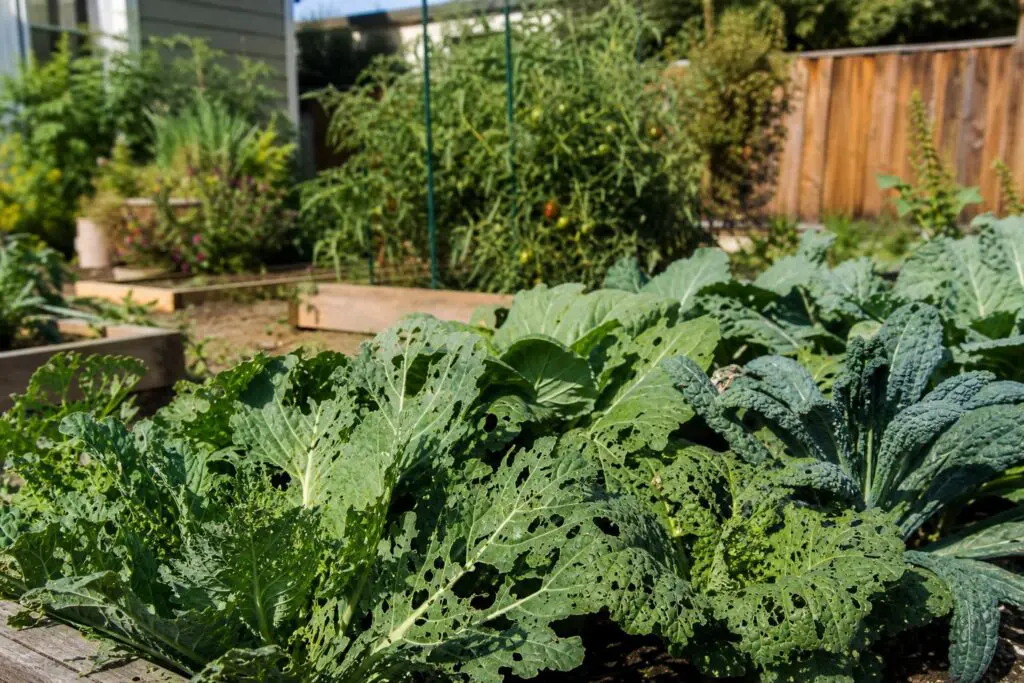
Natural enemies are part of that picture, too. UC IPM describes parasitic wasps and flies, predators and naturally occurring diseases as sources of caterpillar control. Its guidance notes that many plants, especially perennials, can tolerate substantial leaf damage. The presence of a caterpillar and the need for pesticide treatment are therefore not equivalent findings.
Household ingredients are a separate question
Household mixtures raise a separate evidence question. In a July 2024 statement, UC IPM said homemade pesticides generally lack replicated research demonstrating effective pest control, unless covered in UC ANR peer-reviewed publications. The program also said their effects on people, pollinators, natural enemies, water and soil have not been established as safe or less toxic.
UC IPM distinguishes commercially formulated pesticidal oils and soaps from household products intended for cooking or cleaning. That distinction prevents a misleading shortcut: a familiar ingredient is not automatically equivalent to a pesticide formulation evaluated for a particular use. The program’s statement directs Master Gardeners away from recommending homemade mixtures and toward UC’s science-based pest-management resources.