November planting can proceed alongside a winter water-system check in Yolo County and Sacramento-area home gardens. UC Agriculture and Natural Resources guidance published Oct. 26 recommends reducing irrigation frequency as conditions cool, inspecting drainage and choosing vegetables suited to November planting. The practical balance is to keep soil moist without leaving plants in standing water.
Check irrigation before changing the schedule
Start with the irrigation equipment already in place. UC’s November garden tips call for regular checks of both drip and sprinkler systems, including looking for rodent damage to drip tubing. Leaks can be small and difficult to spot, so an obvious break is not the only reason to inspect a line.
Automatic systems should move to a less frequent winter schedule, or gardeners can switch to manual operation as temperatures cool and rain arrives, according to UC. That does not mean irrigation is finished for the season. Dormant plants still need damp soil, and an extended dry stretch may call for a deep soaking.
Containers need a separate check because their exposure differs. A pot under shelter may miss rainfall, while an exposed container may receive a drenching and fail to drain well. UC recommends reviewing pot placement for both drainage and frost protection. Turn unused pots and trays upside down so they do not collect water.
Walk the garden with drainage in mind, too. UC advises checking low areas where water collects and improving drainage there. Its November guidance notes that plants can wilt from excess water, not just from a shortage. It also recommends checking roofs and gutters and directing downspout flow away from foundations and plantings.
Retain rain where it can infiltrate
Keeping rain on the property is another part of winter preparation, provided it can soak into appropriate landscape areas. In background guidance published Sept. 23, UC describes rainfall retention as a way to wet soil deeply and carry plants through drier winter periods. It also identifies reduced stormwater runoff as a benefit.
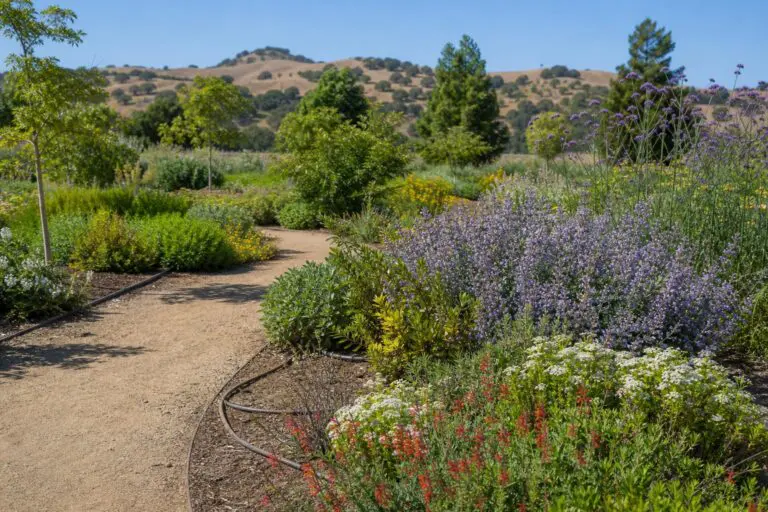
That earlier guidance offers several landscape options: downspouts directed toward areas where water can infiltrate, rain gardens, dry creek beds, swales and permeable pavement. These approaches focus on allowing water into the ground. Alongside the November drainage checks, they distinguish useful soil moisture from unwanted accumulation around plants or buildings.
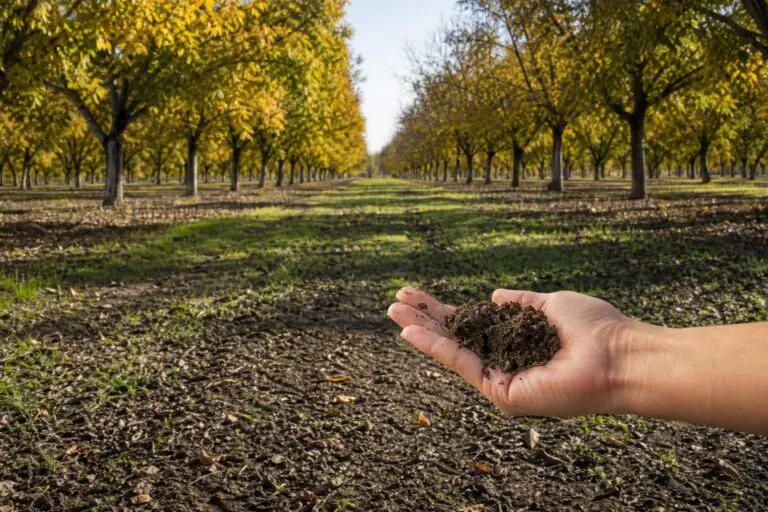
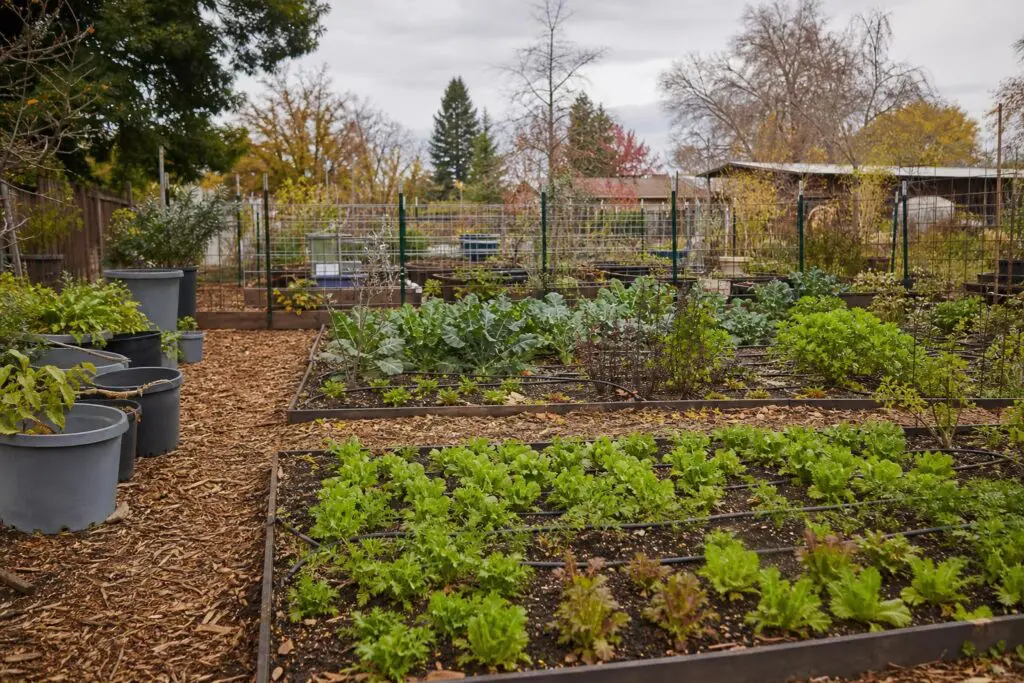
Rainfall management also includes keeping soil in place. UC recommends planning landscapes to limit erosion, with mulch and borders such as rock, wood or walls helping keep soil out of stormwater flows. For vegetable beds left unplanted over winter, its November vegetable guide specifically recommends mulch to reduce erosion and compaction.
For beds going back into production, the November vegetable guide recommends clearing finished summer crops, including pepper and squash plants, and adding compost. Its planting list, referenced by UC for the Yolo County and Sacramento area, separates vegetables by starting material. That distinction matters when deciding whether to obtain seed, young plants or bulbs.
Match vegetables to the right starting material
Seed options include fava beans, spinach, arugula, carrots, Swiss chard, mâche, cress, leeks, scallions, radishes and turnips. UC also lists broccoli raab for seed planting. Peas, bok choy, cilantro, kale, leaf lettuce, mustard and radicchio appear in both the seed and transplant categories, giving gardeners a choice of starting material for those crops.
Other entries call specifically for transplants: broccoli, cabbage, cauliflower, Florence fennel, kohlrabi and bulbing onions. The guide distinguishes broccoli transplants from broccoli raab seed, rather than treating the two entries alike. These are November choices for the local area, not a planting calendar intended to cover every California growing region.
Garlic, shallots and some onions require another shopping list. UC specifies garlic cloves, shallot bulbs, onion sets and divided clumps of multiplier onions. Keep those categories separate from scallion seed and bulbing-onion transplants when preparing beds and obtaining planting material. The guide lists each as a distinct way to start a November crop.