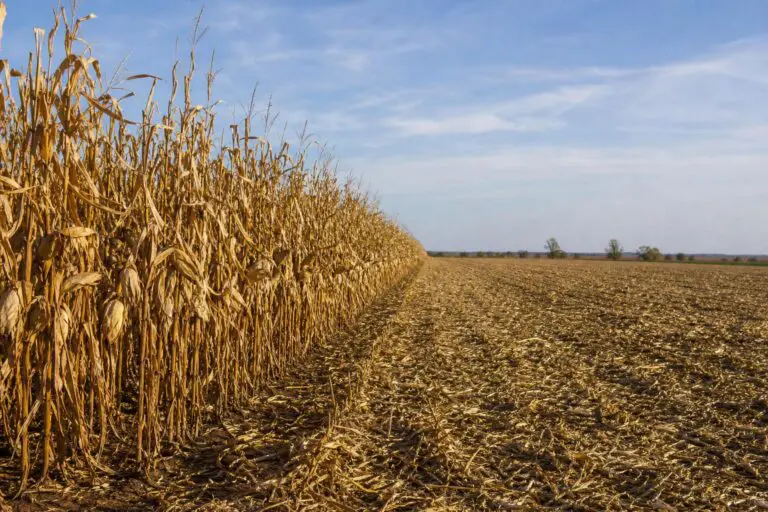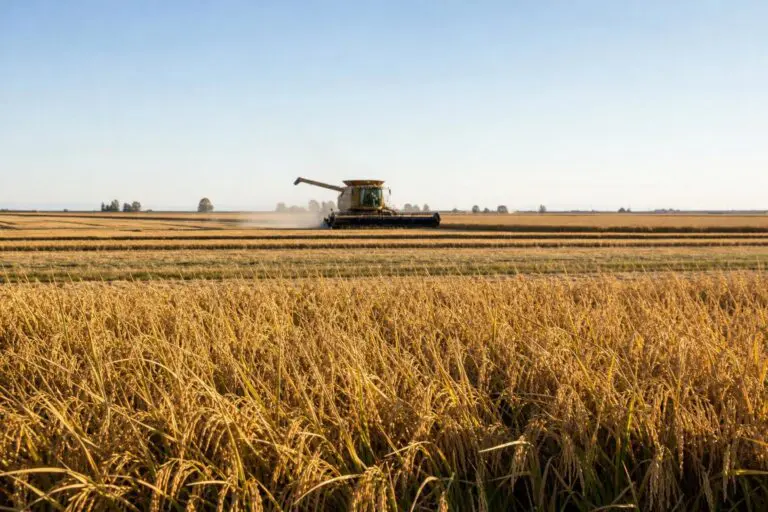
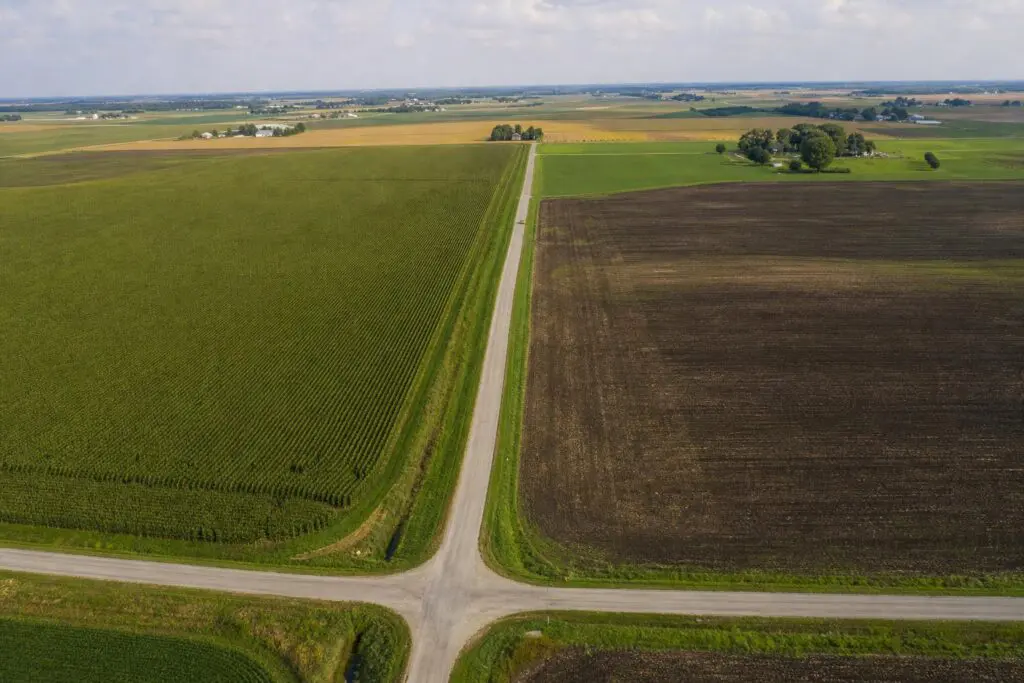
Two county-level crop insurance options accounted for 35% of federal premium subsidies across nine major crops in 2026, up from 4% in 2024, according to university researchers. The shift puts more federal support into supplemental coverage, but a larger subsidy share does not necessarily mean a larger realized financial benefit for producers.
Henrique Monaco of the University of Minnesota and colleagues at Ohio State University and the University of Illinois examined the Supplemental Coverage Option, or SCO, and Enhanced Coverage Option, or ECO. Their analysis covers corn, soybeans, wheat, cotton, rice, grain sorghum, peanuts, barley and oats, rather than the entire federal crop insurance program.
Across those crops, total premium subsidies rose from about $7.46 billion in 2024 to $10.03 billion in 2026. Support for ECO and SCO increased more than tenfold, from roughly $300 million to $3.5 billion. Meanwhile, subsidies for underlying farm-level policies declined modestly, partly because of changes in projected prices, the researchers reported.
More participation, but subsidies are not payouts
Participation also expanded. SCO purchases rose from 4.8% of eligible acres in 2024 to 29.6% in 2026. ECO participation climbed from 6.5% to 51.8% over that period. The researchers used adoption data available as of Oct. 20, 2026; eligible acres were those carrying individual farm-level policies on which the add-ons could be purchased.
The shift was uneven geographically. Across much of the Midwest, ECO and SCO represented 30% to 50% of premium subsidies. In parts of Illinois, Ohio and the Iowa-Minnesota border area, their combined share reached 50% to 75%. Those figures describe the distribution of federal premium support, not the share of farm losses those policies paid.
Premium subsidies are the government's contribution toward the cost of insurance. Monaco and colleagues caution that producer benefit also depends on policy performance, including indemnities relative to premiums. A large subsidy can therefore coexist with a smaller realized benefit. ECO's relatively short history also limits conclusions about its performance over time.
How the revised coverage layers differ
ECO and SCO supplement an underlying policy, but they use area results rather than simply following an individual farm's losses. USDA defines the production area as generally a county, although policy documents can specify a smaller or larger area. The revised endorsements cover different portions of the underlying policy's deductible, making their coverage ranges important to distinguish.
Under USDA's revised SCO endorsement, the area loss trigger is 90% of expected area yield or revenue, as applicable. Its maximum coverage range extends from that threshold down to the underlying policy's coverage level. The amount of supplemental insurance also depends on the coverage percentage the producer selects, rather than the trigger alone.
The revised ECO endorsement sets its area loss trigger at 95% and fixes its coverage range at five percentage points, from 95% down to 90%. That places ECO above the revised SCO range. Both endorsements require an underlying policy, and an area trigger does not guarantee a payment based on an individual farm's loss.
The implementation date is not the same for every crop. In a bulletin dated June 30, 2026, USDA's Risk Management Agency said the revised endorsements take effect for the 2027 crop year for crops with a June 30, 2026, contract change date. Crops with an earlier contract change date move to the revised endorsements for 2028.
Timing and premiums require a crop-specific look
That schedule matters when comparing the new terms with existing coverage. The researchers describe the revised ECO range as narrower and SCO's trigger as higher. All else equal, they expect lower ECO premiums and higher SCO premiums, but those are directional expectations, not producer-specific price estimates or guarantees about future participation.
RMA requires approved insurance providers to notify producers of the changes at least 30 days before the cancellation date. The agency directs interested producers to a crop insurance agent for details. For an individual coverage review, the applicable crop year, contract change date, underlying policy and area-based coverage terms need to be considered together.