UC surveys have confirmed carpophilus beetle in two almond and two pistachio orchards in the Sacramento Valley, putting renewed attention on pest identification and leftover nuts after harvest. UC integrated pest management advisor Sudan Gyawaly reports that researchers have not seen widespread damage from the pest in the region so far.
In his Nov. 2 update, Gyawaly also reported finding Carpophilus truncatus adults and larvae in walnut samples collected from the floor of a well-managed Chandler orchard. That finding brings walnuts into the regional monitoring picture, but it concerns ground-collected nuts, not a confirmed infestation of walnuts still on trees.
The survey results also show why a beetle catch alone does not identify the threat. Traps collected several thousand beetles, most belonging to other carpophilus species that do not attack nuts on trees. Only a small number were C. truncatus, the species confirmed in the four almond and pistachio orchards.
California's earlier detections provide context for the Sacramento Valley findings. A California Department of Food and Agriculture fact sheet prepared in December 2025 records San Joaquin Valley detections in fall 2023 and a Tulare County detection in 2025. Gyawaly's newer update extends the reported picture with results from his Sacramento Valley surveys.
Similar beetles complicate identification
Distinguishing the target pest from similar beetles is important because its feeding habits differ. CDFA describes C. truncatus as a stored-product pest that also feeds on nuts in orchards. Adults are brown, somewhat flattened and about 2.5 to 3 millimeters long, with shortened wing covers that leave the end of the abdomen exposed.
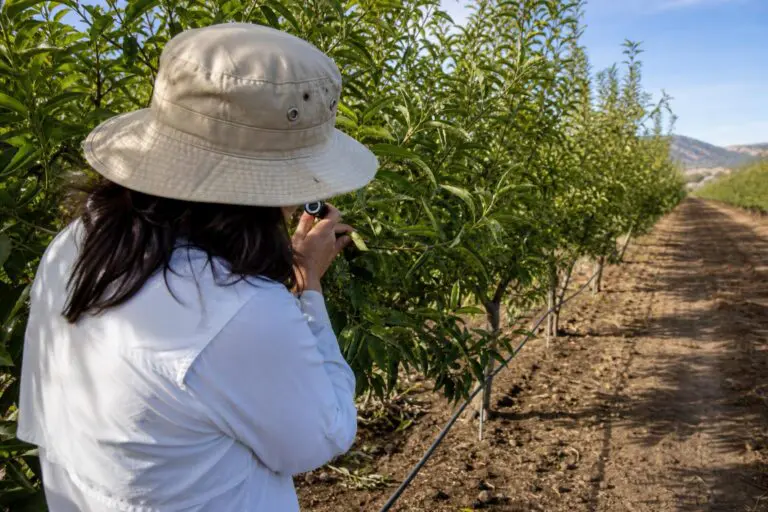
Those features are not necessarily enough for an easy field identification. CDFA says the pest closely resembles several other carpophilus species, including the common C. dimidiatus. Gyawaly's survey work included diagnosis of suspicious beetles and infested nuts submitted by pest control advisers and consultants, alongside the trapping effort in orchards.
Reading the damage inside nuts
Feeding damage offers another set of clues, although it can overlap with navel orangeworm injury. A UC visual guide by Jhalendra Rijal, Mahesh Ghimire, Houston Wilson, Gyawaly and David Haviland describes beetle damage as fine, powdery insect waste mixed with pale nutmeat remnants. The kernel skin may remain intact or show relatively little damage.
Navel orangeworm feeding, by comparison, scrapes away kernel skin and leaves larger waste pellets with heavier, darker-looking silky webbing, according to the guide. Both carpophilus adults and larvae feed on kernels, while navel orangeworm injury comes from larvae. The guide notes that a beetle-infested nut can contain more than 10 adults and larvae.
These differences are clues rather than a reason to assume every damaged nut has only one pest. Gyawaly notes that carpophilus beetle and navel orangeworm often occupy the same nut, making small beetle larvae difficult to spot among insect waste and powdered kernel material. He identifies hullsplit nuts during the season and mummy nuts in winter as useful inspection targets.
Ground mummies shelter overwintering adults
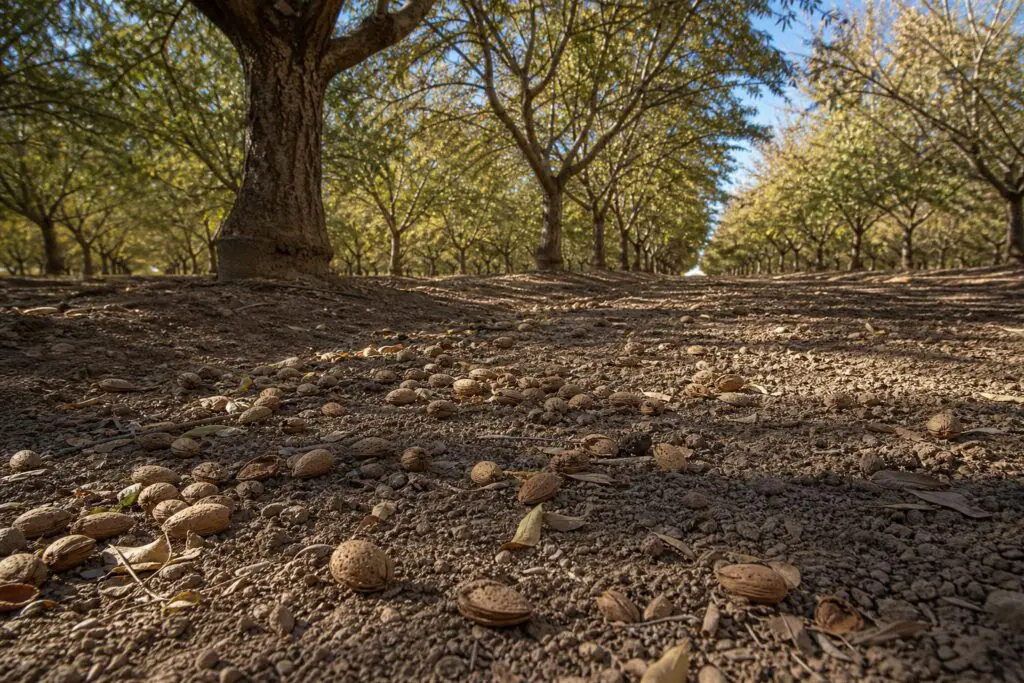
The postharvest connection is central to Gyawaly's management message. Adult carpophilus beetles overwinter in remnant nuts, commonly called mummies, predominantly on the orchard floor. He reports that the insects appear to use those nuts to build populations before hullsplit. In summer, females lay eggs on hullsplit nuts, where adults and larvae feed directly on kernels.
For that reason, Gyawaly identifies orchard sanitation, particularly shredding or otherwise destroying nuts on the ground, as a critical management practice. He also reports that insecticides have provided limited control in UC studies so far. His update places the emphasis on removing the nuts that shelter beetles, rather than presenting insecticides as a dependable solution.
The walnut finding warrants attention without equating detections with established losses. Gyawaly notes an earlier walnut-block detection in Stanislaus County in 2023, as well as reports from other countries. For Sacramento Valley growers, his current guidance is to watch walnut orchards too and seek identification help for suspicious insects or damage as UC continues monitoring.