Controlling small flies around stored produce and food preparation areas starts with finding where their larvae feed, not simply catching the adults. UC Integrated Pest Management guidance explains that similar-looking flies can develop in very different places. Identifying the fly helps direct sanitation work toward the source that keeps producing new adults.
The distinction matters around food because some fly species can contaminate it and transmit bacteria associated with foodborne illness, according to UC IPM. Its guidance groups most small flies found in indoor settings into four families: vinegar flies, scuttle flies, moth flies and fungus gnats. Each points inspectors toward a different set of likely breeding sites.
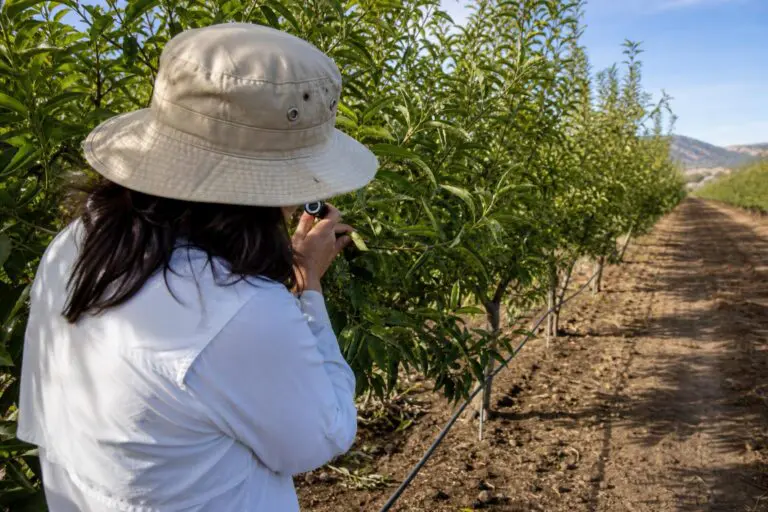
Identification generally requires a physical specimen, although a good photograph can sometimes help. Body shape, color and behavior offer clues, while wing-vein patterns help distinguish families. Calling every small fly a fruit fly can send the search in the wrong direction, particularly when the actual source is a drain or moist potting soil.
Match the fly to its breeding site
Vinegar flies, often called fruit flies, develop in overripe or rotting fruits and vegetables. UC IPM specifically flags produce held for weeks at room temperature, including onions and potatoes. Scuttle fly larvae favor decomposing material rich in protein, such as decaying meat, dead animals, rancid dairy products and feces.
Moth flies, also known as drain flies, commonly develop in the bacterial film lining drainpipes. Fungus gnat larvae instead live in moist soil, feeding on fungi, algae and roots, and are often associated with houseplants. All these common small flies need high moisture for larval survival and development, but moisture alone does not identify their food source.
There are important exceptions. Dark-eyed fruit flies belong to the vinegar fly family, yet their larvae frequently feed in bathroom floor-drain films or fecal sludge beneath tile. UC IPM advises confirming the pest before targeting inspections. A fly's common name is a useful starting point, not a reliable substitute for identification.
Use inspections and traps to narrow the search
During an inspection, note where adults gather and how their numbers differ among locations. Food preparation and storage areas commonly harbor vinegar flies; bathrooms often support moth flies. Scuttle flies can occur in either setting, while fungus gnats usually indicate moist soil and plants. Their source can also be outside the building.
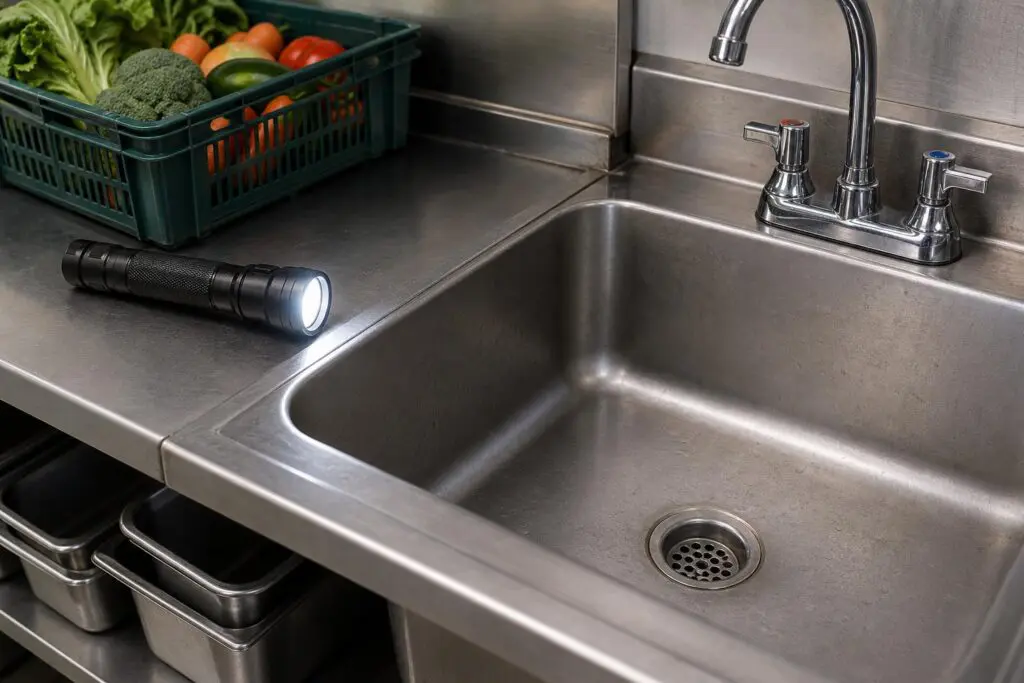
A flashlight can help reveal buildup inside drains. UC IPM describes larvae as translucent, legless maggots moving within or on the surface of that film. Ultraviolet fly lights with adhesive trapping surfaces can supply identification specimens and help narrow the search by comparing catches across locations. They are not standalone control tools.
Remove breeding material and manage moisture
Removing the breeding material is the central sanitation step. Discard overripe produce that harbors flies, and clean the affected area. For drains, UC IPM recommends regular physical removal of the organic film with brushes or augers. Keeping floor drains clean and their water seals in place also discourages moth fly development and pest entry from sanitary sewers.
Moisture repairs can address less obvious sources. Leaks or drainage problems in bathrooms can allow wet organic sludge to accumulate beneath loose or broken tiles. Correcting those conditions can interrupt development of moth flies, dark-eyed fruit flies and scuttle flies. For houseplant-associated fungus gnats, allow the soil surface to dry between waterings.
A companion UC IPM guide explains why the source deserves attention even when adults are being caught: flies progress from eggs through feeding larvae and pupae before emerging as adults. The full cycle often takes seven to 14 days, depending on species and conditions. Removing adults leaves that developing population untouched if its habitat remains.
Exclusion complements the cleanup. UC IPM recommends screening, caulking or covering small openings into homes to prevent entry. Traps can supplement sanitation and exclusion, and yellow sticky traps in houseplant pots can reduce fungus gnat numbers. Use catches to help locate and monitor the problem while continuing to remove the conditions that support larvae.