UC has revised its kikuyugrass management guide, emphasizing prevention of a weed that can move between sites on equipment and interfere with irrigation in home or small orchards. The October 2026 update pairs expanded identification information with a practical distinction: competitive vegetation can slow invasion, but it does not necessarily control an established infestation.
UC announced the revision Oct. 21. UCCE diversified agriculture advisor Clebson Gomes Gonçalves updated the Pest Notes publication with more information on kikuyugrass biology and management, plus new identification photographs. The guide covers lawns and landscapes as well as orchards and noncrop areas, where regular inspection is part of its prevention advice.
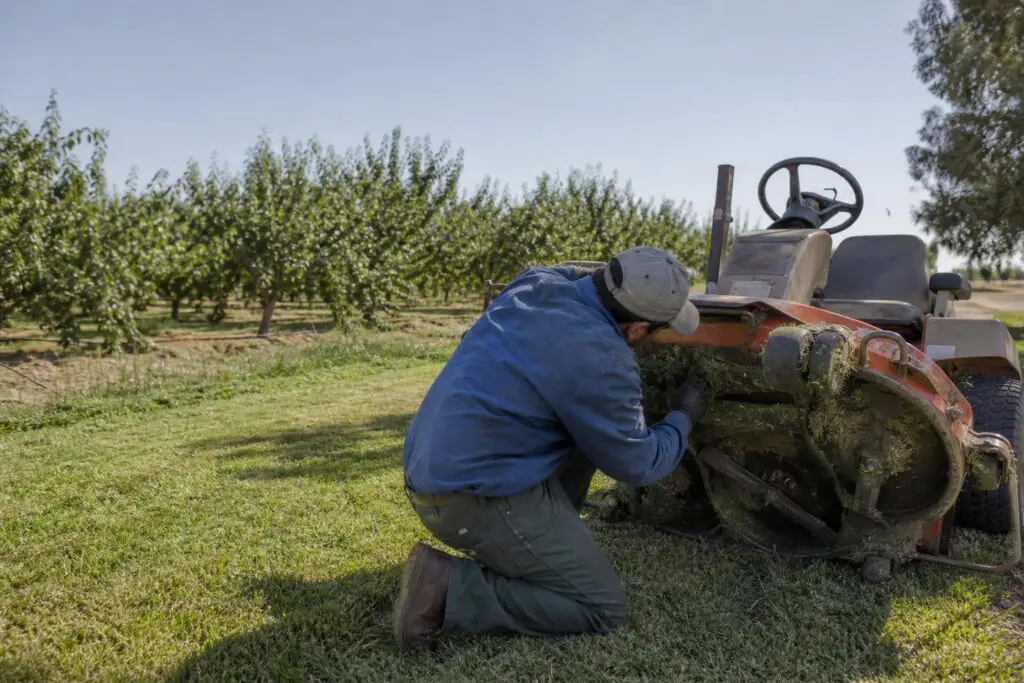
The weed’s ability to travel is central to that advice. According to UC, mowing, cultivation and renovation equipment are its most common means of spread. Both seeds and stem sections can start infestations. The guide calls for removing that material from equipment before it leaves an infested area and checking incoming soil, sod and planting stock for contamination.
Recognize the stems and seasonal growth
Kikuyugrass spreads through creeping aboveground stems, called stolons, and underground stems, called rhizomes. Those stems store carbohydrates that support regrowth after mowing or cultivation. Chopping them does not necessarily eliminate the plant: stem sections with nodes can produce new roots and shoots. That biology helps explain why equipment sanitation matters alongside removal of visible growth.
For identification, UC describes light-green leaves with pointed tips and flat blades. St. Augustinegrass, a species with which kikuyugrass has been confused, has rounded leaf tips and sharply folded or creased blades. Kikuyugrass leaves and stems are slightly hairy, and a long fringe of hairs runs alongside the stem at the leaf collar.
Seasonal appearance also varies across California. UC says kikuyugrass may remain active through winter in coastal areas and some inland valleys. In colder inland locations, it often browns in late November and stays dormant until February or March. Unlike bermudagrass, it can continue steady growth at lower temperatures, so a calendar alone will not reliably distinguish the two.
Watch irrigation equipment and small patches
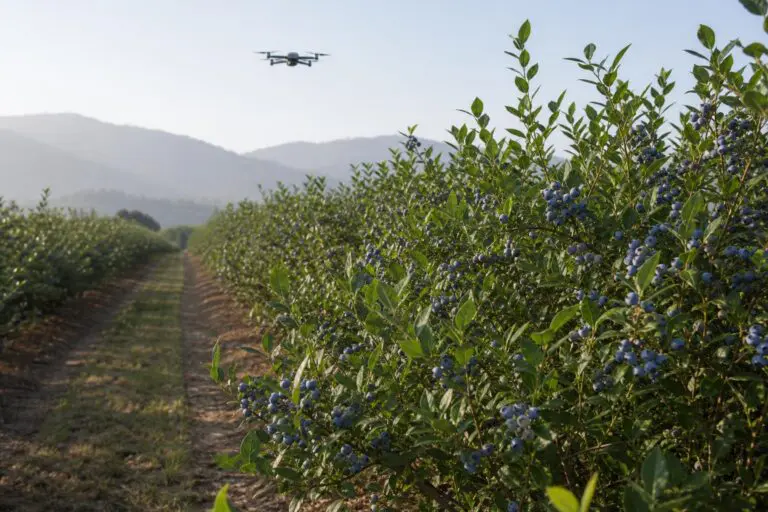
In home or small orchards, UC reports that kikuyugrass can compete with trees for nutrients and obstruct sprinklers, emitters or drainage ditches. In ornamental areas, it can crowd out groundcovers and flower beds or grow over low shrubs. These effects make its presence more than a question of lawn color or texture.
The guide recommends monitoring orchards and noncrop areas and removing patches while they are small. For lawns, it says vigorous turf combined with diligent removal of isolated infestations, including the whole plant and roots, has succeeded. A single treatment or control method usually does not control kikuyugrass in turf, according to UC.
Dense turf and ornamental plantings shade the soil surface, making establishment from seeds and stem pieces more difficult. Even so, UC cautions that kikuyugrass can still establish. Vigorous tall fescue can reduce invasion, but the guide explicitly describes that effect as suppression rather than control. Keeping desirable plants competitive is therefore not the same as eliminating the weed.
What turf competition can and cannot do
Historical research helps explain that distinction. In a 1997 Weed Technology paper, Clyde L. Elmore, Victor A. Gibeault and David W. Cudney reported that overseeding established kikuyugrass with tall fescue or perennial ryegrass reduced kikuyugrass cover. When the researchers introduced kikuyugrass plugs into established turf, tall fescue resisted invasion more strongly than perennial ryegrass.
The tall fescue treatments reduced kikuyugrass cover, stolon numbers, stolon spread and biomass compared with perennial ryegrass under the study conditions. The researchers also found that renovation before seeding did not improve establishment of either competing grass. Increasing the seeding rate improved perennial ryegrass establishment but not tall fescue establishment, showing that the two grasses did not respond identically.
Those results are historical comparisons, not a new finding or a current cultivar recommendation. The experiments evaluated particular grasses under managed turf conditions. Their useful connection to the revised guide is narrower: competition can reduce kikuyugrass growth and invasion, while leaving an established weed population present. The findings do not demonstrate eradication or an orchard-floor control program.
The revised guide also acknowledges how difficult management becomes after extensive turf invasion. When kikuyugrass occupies about 40% of a turf area, UC says maintaining it as the primary grass may be easier than suppressing or controlling it. That observation concerns already-infested turf. For preventing movement into new areas, the guide prioritizes clean equipment, uncontaminated planting materials and early patch removal.