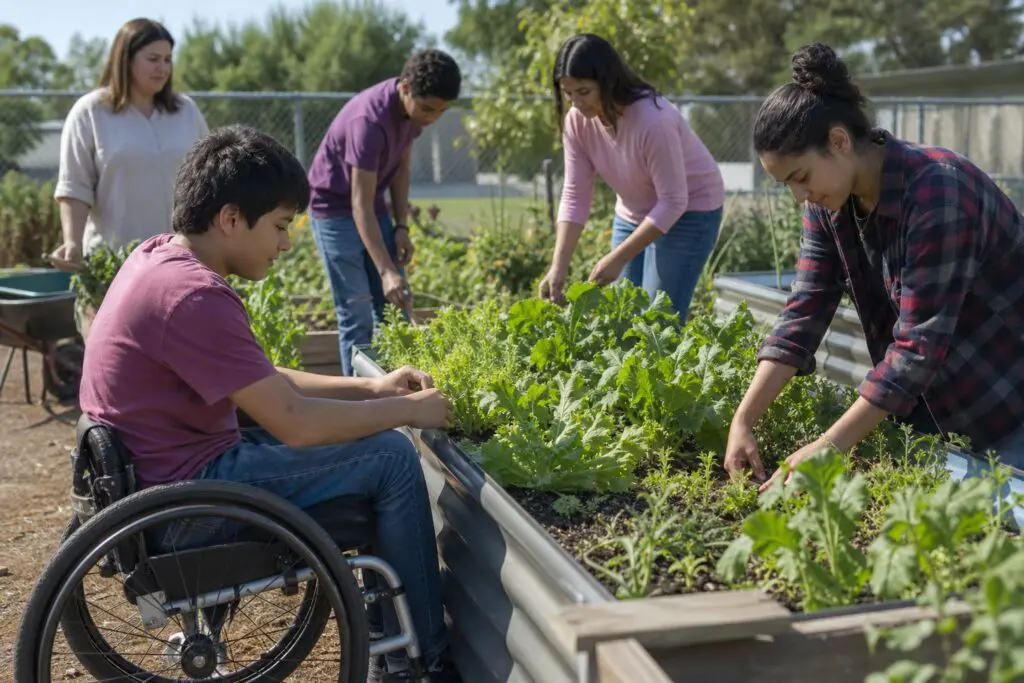
El Dorado Union High School District is using a $200,000 California Farm to School Incubator Grant to bring growing, harvesting and cooking into special education programs at five campuses. The work includes garden improvements that allow students who use wheelchairs to participate more fully, connecting agricultural learning with daily living and workplace skills.
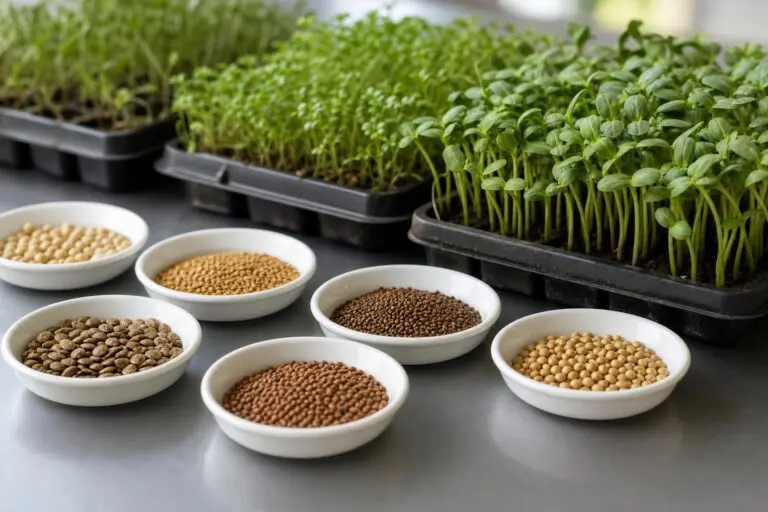
The California Department of Food and Agriculture described the projects in an Oct. 13 account. El Dorado, Union Mine, Ponderosa, Oak Ridge and Independence high schools have developed activities suited to their campuses and students rather than following a single growing model. Their tools include outdoor gardens, hydroponic systems and grow lights.
“This grant has given our special education students the opportunity to learn by doing,” Adult Transition Program Teacher Trish Hardy said in the CDFA account. “They are growing food, comparing different growing methods, harvesting, cooking and developing real-life skills along the way.”
The El Dorado County projects put accessible agricultural education at the center of a statewide program that also supports local food purchasing and school meals. Other district projects described by CDFA show how that funding can support different connections between students and agriculture, from wellness-focused gardens to paid internships and cafeteria ingredients.
Access shapes the growing work
At one El Dorado district campus, the work included adding garden beds and gravel pathways so students using wheelchairs could take part more fully. CDFA did not identify that campus, but described the improvements as part of the district’s effort to make hands-on growing available to students with different abilities.
The growing activities also vary. Some schools compare hydroponically grown plants with plants grown through traditional methods, while others incorporate their harvests into cooking. Students take part in planting, maintenance and harvesting, giving them responsibilities across the growing cycle rather than only an opportunity to observe a garden.
CDFA describes those tasks as opportunities to build teamwork, problem-solving, cooking and workplace skills. Hardy emphasized participation as well as the harvest: “Most importantly, we have been able to create opportunities for students of all abilities to participate and experience the pride that comes from growing something themselves.”
District officials want to expand gardens and hydroponic programs, increase production and eventually use student-grown food in school cafeterias. That cafeteria connection remains a goal. The completed activities described by CDFA include students growing food and using it in cooking, not supplying the district’s meal service.
Gardens connect agriculture and wellness
In San Diego County, San Marcos Unified School District’s 2023-24 grant project, Healing Harvest, connects agricultural spaces with wellness activities. CDFA reports that all 17,912 students from transitional kindergarten through 12th grade have access to the experiences. That figure describes districtwide access, not a count of students who have participated.
The project combines California-grown foods, farm visits, culinary therapy and exploration of Indigenous grains and milpa agriculture with university biology partners. Grant funding supports a school social worker who helps facilitate the experiences, placing trained mental health staff within the food- and farm-based wellness work.
Three spaces anchor the project: Grizzly Grove at Mission Hills High School, Orchard of Dreams at Twin Oaks Elementary and the Love and Kindness Garden at Double Peak School. CDFA also describes an Agricultural Innovation Center and student-led farm stand in development. Those planned additions would connect the growing work with career technical education and student enterprise.
From student harvests to school meals
Porterville Unified School District in Tulare County offers a different connection between learning and meals. Its 2024 grant awarded $200,000 for local food purchases through a Harvest of the Month program and paid internships for three district students, in partnership with the nonprofit Climate Action Pathways for Schools.
Two summer interns grew pumpkins that went into the district’s “cowboy bread” served in school meals, according to CDFA. Unlike El Dorado’s future cafeteria goal, that project provides a completed example of student-grown produce becoming a school-meal ingredient. The grant also supports purchasing from local producers beyond the student growing activities.
CDFA reports that farmers involved in Porterville’s project described benefits from stable school partnerships and direct community connections. Those are participating farmers’ reported experiences, rather than a measured estimate of income gains.
The CDFA Office of Farm to Fork administers the statewide Incubator Grant program, which began in the 2021-22 state budget. Its scope includes local procurement, minimally processed school meals and hands-on education from early childhood through 12th grade. CDFA says ongoing funding was secured in the 2026-27 state budget.
For El Dorado’s participating campuses, the next steps remain concrete: expand growing spaces and hydroponics, produce more food and work toward cafeteria use. Hardy framed the continuing priority as creating opportunities where every student can participate, contribute and see the results of the work.