
Bringing a plant into California from another state is not the same as bringing one home from another country. California’s guidance allows a narrowly defined category of indoor houseplants, while federal guidance prohibits international travelers from bringing plants in soil. Understanding that distinction can help travelers avoid transporting material that inspectors may refuse.
The California Department of Food and Agriculture emphasized public awareness and everyday actions to prevent invasive pests and plant diseases in a November 3 message. Its plant-transport guidance, updated September 10, 2025, explains safeguards for people moving plants into the state. Separate guidance from USDA’s Animal and Plant Health Inspection Service, or APHIS, addresses international arrivals.
For California agriculture, the concern extends beyond the individual plant. CDFA warns that certain trees and plant materials pose a high risk of introducing serious pests or diseases that could harm agricultural industries and the environment. Both agencies describe entry safeguards intended to keep those threats from traveling with otherwise ordinary belongings.
California’s houseplant category has limits
CDFA’s houseplant category requires more than a plant kept in a household pot. The plant must have been grown in the home, be ornamental, not be intended for resale, be pest-free and be planted in sterile, packaged commercial potting mix. The guide says qualifying ornamentals are usually tropical or subtropical plants.
Growing history also matters. CDFA says houseplants must have been raised only indoors, such as in a home or enclosed greenhouse. Plants grown or maintained outdoors, even during warm weather, do not meet that guidance. Neither do plants grown in soil collected from a yard or another outdoor location.
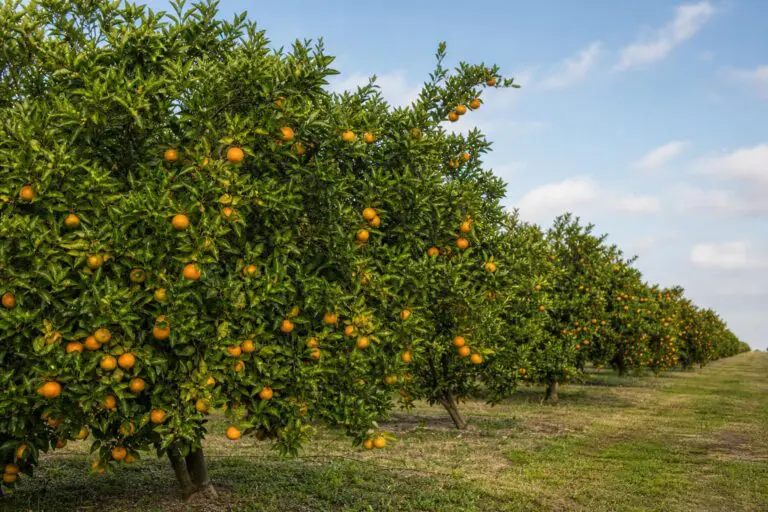
Some plants face additional restrictions regardless of their household use. CDFA’s guide prohibits plants and propagative parts in the Rutaceae family, which includes citrus. It strongly discourages private owners from moving pine, oak, fruit and nut trees into California unless all applicable state and federal quarantine provisions can be met.
The guide also says houseplants from areas regulated under specified burrowing, reniform and guava root-knot nematode rules are not exempt. A plant’s healthy appearance does not replace those requirements. Separately, border officers may reject and confiscate plants showing even common insect, snail or disease problems, according to CDFA.
Make plants accessible for state inspection
For a household move, CDFA directs private individuals to declare plants to border inspectors and keep them accessible. Commercial movers should put “house plants” at the top of the shipment inventory and load them near the van doors. All agricultural materials, including houseplants, fresh fruit and vegetables, are subject to inspection at border stations.
International arrivals require separate planning
International travelers face a different set of questions. APHIS says requirements depend on the plant type, whether it is a whole plant or a plant part, its country of origin and its intended use. Permits or other official documents may take up to 30 business days to process, making advance checks important.
Do not apply California’s commercial-potting-mix guidance to an international arrival. APHIS states that plants in soil are prohibited. Its traveler guidance allows 12 or fewer bare-rooted plants only under specified conditions, including that they contain no soil, sand, earth or other growing media and are not otherwise prohibited or subject to special restrictions.
Those bare-root plants also need a phytosanitary certificate from the exporting country’s National Plant Protection Organization. U.S. Customs and Border Protection must inspect them at the first port of entry and determine that they meet entry requirements. For 13 or more plants, APHIS requires an import permit and shipment to a USDA Plant Inspection Station, not hand carriage.
Declaration is a separate obligation from obtaining documents. APHIS says travelers entering the United States must declare all agricultural or wildlife products to Customs and Border Protection and report farm visits or contact with animals. Inspectors make the final entry decision. The agency recommends keeping receipts and original packaging as evidence of a product’s country of origin.
For a move from another state, CDFA points people to their current state’s agriculture department for quarantine information and possible inspection or certification options. For international travel, APHIS directs plant-specific questions to its Plant Import Information Line. Checking the particular plant and route before packing is more useful than assuming that a familiar houseplant qualifies.