The California Department of Food and Agriculture is seeking feedback on draft biodiversity principles that would shape its future programs and work across agricultural landscapes. Announced October 26, the public comment period runs through November 26, 2026, at 5 p.m.
The proposal is a department-wide planning framework, not a regulatory action. CDFA says the principles would guide program development, participation in work groups and other biodiversity-related activities. Farmers, ranchers, technical assistance providers, agricultural organizations and the public are invited to comment.
Production needs and ecological limits
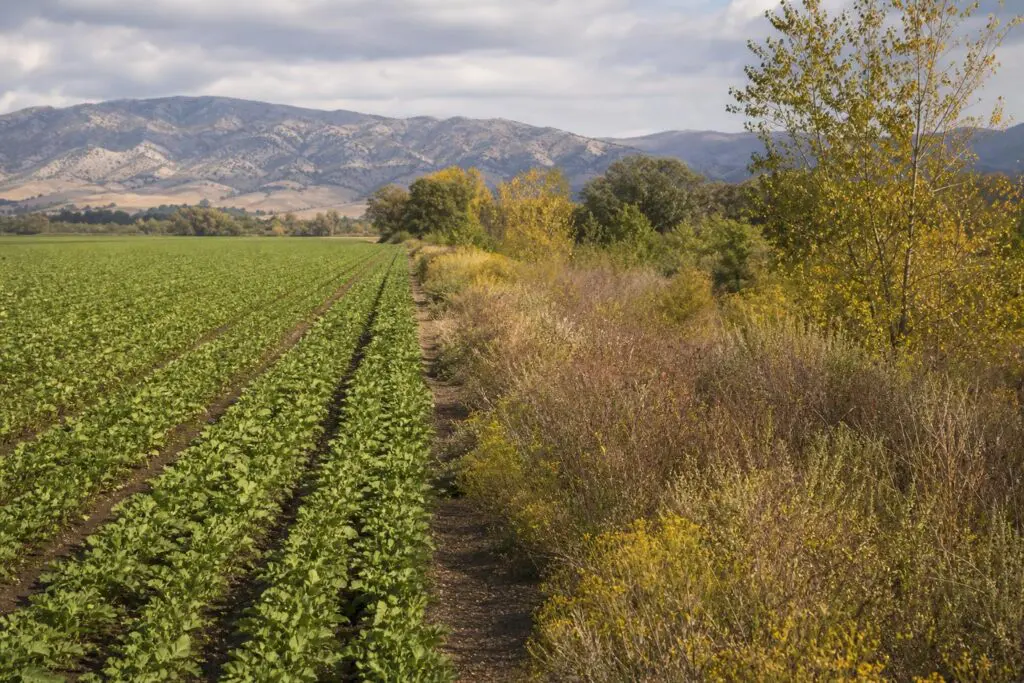
The draft calls for approaches that support safe, economically viable food production alongside conservation of native biodiversity. It recognizes that farms and ranches can connect habitat across landscapes and that growers can support biodiversity on and near agricultural land while protecting food safety.
It also acknowledges limits: Not every form of biodiversity fits every agricultural system. The draft identifies monitoring as necessary to improve biodiversity and community outcomes, and says CDFA will consult the California Department of Fish and Wildlife when wildlife conflicts arise.
Part of a broader resilience strategy
Developing the principles fulfills an action item in CDFA’s agricultural climate resilience strategy. In an October 23 agency overview, CDFA described that broader strategy as preparation for water-supply uncertainty, drought, extreme weather, wildfire and flooding.
The draft connects biodiversity to functions including pollination, natural pest control and nutrient cycling. But it qualifies the potential benefits, saying research and experience show that enhancing on-farm biodiversity can offer more benefits than drawbacks in many, not all, settings.
What happens after comments
CDFA says feedback will help shape the final statement and future planning. The department plans to review and publish all written comments and release a final Biodiversity Vision Statement later this year. Because the process is nonregulatory, it will not formally respond to comments.
The accompanying illustration was generated with AI.