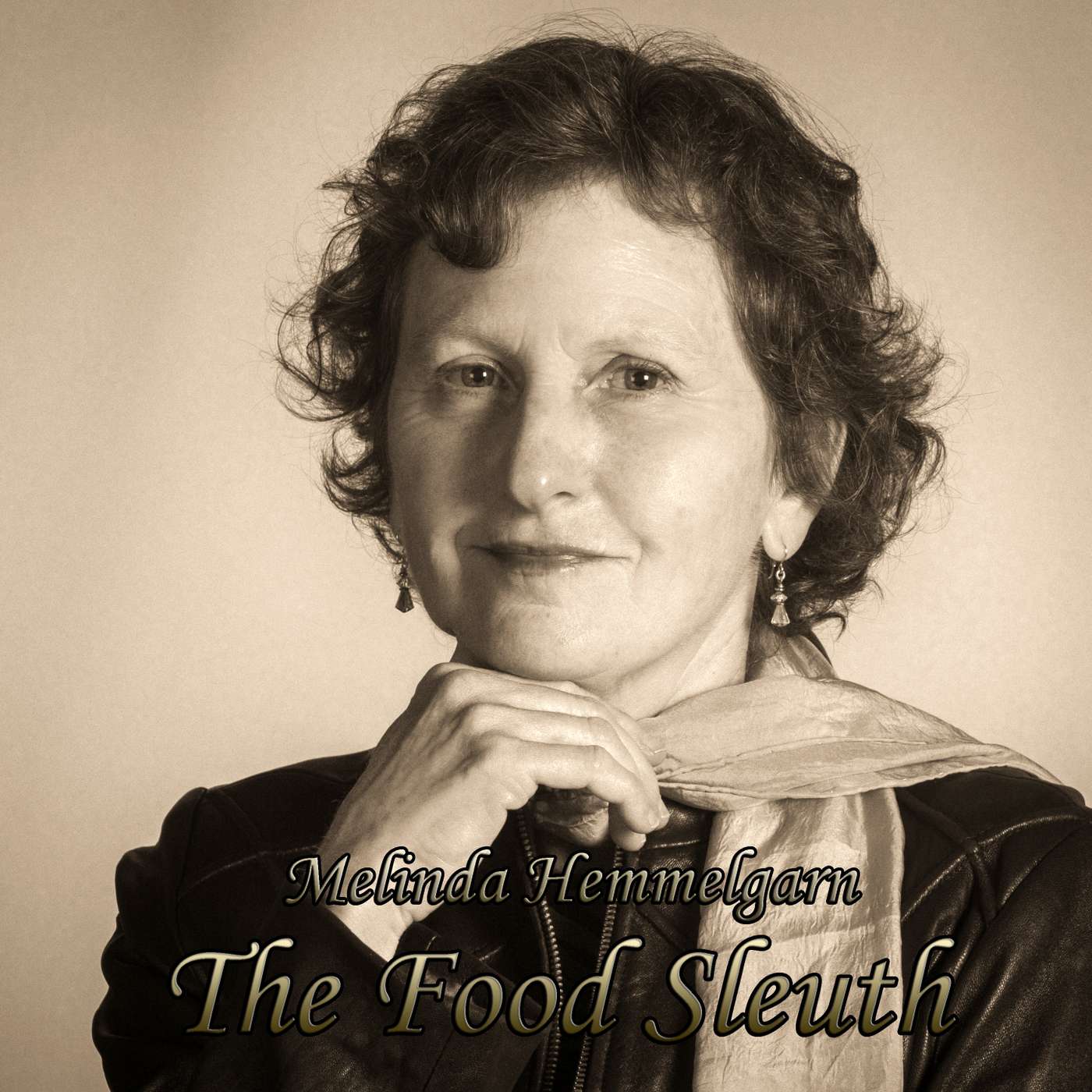
Did you know that pesticides can drift for miles from where they were applied on agricultural fields, lawns and golf courses? Join Food Sleuth Radio host and Registered Dietitian, Melinda Hemmelgarn for her conversation with Kim Erndt-Pitcher, MS, Director of Ecological Health at Prairie Rivers Network. Erndt-Pitcher discusses the widespread ecological damage from pesticide drift/ chemical trespass and reviews the Prairie Rivers Network’s recent reports and webinar titled: Pesticide Drift in Public Spaces. PRN’s research shows there are wide ecosystem impacts from chronic pesticide drift exposure on bird and insect populations, air quality and public health, reduced nutritional quality of fruit and nuts, and the economic and emotional toll of lost trees, crops and plants.
Related Websites: https://prairierivers.org/
Did you know that Will Harris’ White Oak Pastures regenerative farm provides 170 jobs to people in his community? Join Food Sleuth Radio host and Registered Dietitian, Melinda Hemmelgarn for her conversation with Will Harris, fourth generation cattleman at White Oak Pastures, and worldwide leader in humane animal husbandry and environmental sustainability. Harris discusses “regenerative” vertical farming, a farm’s potential to be a rural economic engine (as opposed to data centers), trends in beef imports over time, corporate consolidation, and his meeting with President Trump.
Related Websites: www.whiteoakpastures.com
Did you know that Slow Food is a global movement dedicated to promoting good, clean, and fair food for everyone? Join Food Sleuth Radio host and Registered Dietitian, Melinda Hemmelgarn for her conversation with Fred Plotkin, MS, author and expert on Italian food culture. Plotkin discusses his relationship with Carlo Petrini, father of the Slow Food movement, Italian culinary history, food culture, and his philosophy on eating and living as a “pleasure activist.”
Related Websites: https://www.slowfood.com/
Did you know that as national environmental agencies and regulations are whittled away, states may hold the key to protect public health? Join Food Sleuth Radio host and Registered Dietitian, Melinda Hemmelgarn for her conversation with Susan Kaplan, JD, Research Assistant Professor at the University of Illinois Chicago, and author of A Healthy Union: How States Can Lead on Environmental Health. Kaplan provides case studies of bi-partisan action where communities and states took the lead on protecting public health through environmental policies. She discusses how “making the invisible visible” is key to raising awareness about toxic chemical use. She also discusses the history of public health and why environmental health is not a strong component of medical education. Her book sprung from an earlier article: https://theconversation.com/which-state-you-live-in-matters-for-how-well-environmental-laws-protect-your-health-200393
Related Websites: Susan Kaplan's A Healthy Union: How States Can Lead on Environmental Health
Did you know that some local governments make it illegal to have vegetable gardens or greenhouses on residential properties? Join Food Sleuth Radio host and Registered Dietitian, Melinda Hemmelgarn for her conversation with Ari Bargil, senior attorney with the Institute for Justice where he leads the Zoning Justice Project, and spearheaded Florida’s and Illinois’ passage of the Right to Garden Act —a reform that makes it unlawful for local governments to ban residential vegetable gardens.
Related Websites: https://ij.org/legislation/vegetable-garden-protection-act/
Did you know that Michigan is “ground zero” for the cyclospora outbreak affecting multiple states in the U.S.? Join Food Sleuth Radio host and Registered Dietitian, Melinda Hemmelgarn for her conversation with Amanda Maria Edmonds, MS, sustainable food systems consultant and faculty member in the University of Michigan’s Program in the Environment. Edmonds discusses food system resilience in light of our industrial food system’s push for “efficiency” and resulting vulnerability. Edmonds invites us to join food system discussions as part of Food Literacy for All: https://sites.lsa.umich.edu/sustainablefoodsystems/foodliteracyforall/
Related Websites: https://www.linkedin.com/pulse/michiganders-case-investing-local-food-systems-amanda-maria-edmonds-cxlxc/
Did you know that we have a “cyclospora season” in the United States? Join Food Sleuth Radio host and Registered Dietitian, Melinda Hemmelgarn for her conversation with Don Schaffner, PhD, food safety microbiologist at Rutgers University. Schaffner discusses the nationwide cyclospora outbreak, cuts to the Centers for Disease Control and Prevention’s FoodNet, and what is likely multiple outbreaks of cyclospora. Schaffner has been widely interviewed and discusses the topic on his podcast, Risky or Not: https://www.riskyornot.co/
Related Websites: https://www.fda.gov/food/outbreaks-foodborne-illness/investigation-9-state-outbreak-cyclospora-illnesses-iceberg-lettuce-july-2026
Did you know that Arkansas is the only state that requires breastfeeding education in K-12 curriculum? Join Food Sleuth Radio host and Registered Dietitian, Melinda Hemmelgarn for her conversation with Lauren Dinour, PhD, RD, professor of nutrition, lactation consultant and advocate for “first food justice.” Dinour discusses the multiple benefits of breastfeeding, and her research looking at breastfeeding education in K—12 schools, breastfeeding images and how they inform cultural norms, and why and how workplace support of breastfeeding is critical to public health. They also discuss how breastfeeding is key to sustainability and resilience. In honor of National Breastfeeding Month (August) and World Breastfeeding Week (August 1-7), the two discuss how society supports or makes more difficult a mother’s ability to feed her infant human milk, and the multitude of benefits breastfeeding provides to infants, children, maternal and planetary health. See: https://worldbreastfeedingweek.org/
Related Websites: Breastfeeding Education in Kindergarten Through 12th Grade: A Content Analysis of United States Health Curriculum Standards: https://onlinelibrary.wiley.com/doi/full/10.1111/josh.70173
Did you know that the Agricultural Justice Project (AJP) has worked to promote farm and farm worker justice for nearly three decades?
Join Food Sleuth Radio host and Registered Dietitian, Melinda Hemmelgarn for her conversation with Jon Magee, farmer, organizer, researcher and lead author of AJP’s sunsetting report, “A Season for Solidarity.” Magee shares key components and barriers related to farmer and farmworker justice. The Project will be closing, but their report and toolkit can carry their critical work forward. See: https://agriculturaljusticeproject.org/toolkit/
Related Websites: A Season for Solidarity Report: https://agriculturaljusticeproject.org/pdf/AJP-Season_For_Solidarity-web.pdf
Did you know that AI data centers consume large volumes of water in their cooling systems and generate polluted waste water that requires treatment? Join Food Sleuth Radio host and Registered Dietitian, Melinda Hemmelgarn for her conversation with Kelly Hunter Foster, JD, Senior Attorney, Waterkeeper Alliance. Foster discusses water use, pollutants, and overall environmental and public health concerns from data centers. She also discusses externalized costs, the loss of agricultural land, critical protective policies, and discussion points to share with legislators and citizens faced with data center construction in their communities. For impact on rural communities, see the fact sheet produced by the MO Rural Crisis Center: Big Data Centers Make Bad Neighbors: https://save-our-farms.org/ and for the link between data center and PFAS compounds, see: Data Centers and PFAS: https://www.eesi.org/articles/view/data-centers-are-contributing-to-pfas-forever-chemical-pollution
Related Websites: Invisible, Unbreakable, Unnatural: PFAS Contamination of U.S. Surface Waters: https://waterkeeper.org/wp-content/uploads/2022/10/Waterkeeper-Alliance-PFAS-Report-FINAL-10.14.22.pdf