Across the JCS Marketing network Visit JCS Marketing
MyAgCast Podcast Network

Farm4Profit Podcast

Fresh episodes and conversations from the agricultural community.

Latest episodes ↓

Our mission is to provide farms and operators an independent and unbiased outlet for information related to increasing the profitability of their farming operation. We will be providing farms and operators of all sizes and experience levels access to the latest trends, projections, and the tools necessary to increase farming profitability. We will take each episode to deliver latest news, what's working for active farms, and a topic of focus each episode. Remember, if you aren't farming for profit you won't be farming for long.

Recent Episodes

These Kids Own a Combine and Tractor at Just 10 & 12 Years Old: Fenner Farms

These Kids Own a Combine and Tractor at Just 10 & 12 Years Old: Fenner Farms

November 26, 2026 52:13
Episode notes

What happens when you give farm kids real responsibility, real equipment, and the opportunity to follow their passions? For the Fenner family of northern Michigan, the answer has become a remarkable story of agriculture, entrepreneurship, and social media success. Jonathan Fenner joins Tanner and Corey alongside his children, 14-year-old Evelyn and 10-year-old Hans, to discuss life on their third-generation family farm near Cadillac, Michigan. Their operation includes beef cattle, corn, soybeans, wheat, rye, hay, and other crops. But what makes Fenner Farms especially interesting is how involved the children are in the day-to-day operation. The family has made a deliberate decision to let its kids learn by doing, rather than waiting until adulthood to give them meaningful responsibility.

Hans and his brother Hudson have already purchased their own Case IH 2388 combine and Versatile 280 tractor, with help from their grandfather. In fact, the boys bought their tractor while Jonathan and his wife were away on vacation! Jonathan shares how the family approaches equipment ownership, operating responsibilities, and teaching the next generation to become capable farmers. He recalls a memorable harvest when his father and one of the boys ran combines side by side while Jonathan operated the grain cart between them. Evelyn is equally involved in the operation, especially when it comes to working with cattle and tagging newborn calves. Outside the farm, she owns three horses, is pursuing barrel racing, and has plans to build a barn and eventually an arena.

The conversation takes a delicious turn when Jonathan explains how Fenner Farms expanded into direct-to-consumer beef products. After receiving requests from social media followers across the country, the family discovered that shipping frozen beef was expensive and complicated. Their solution was to develop shelf-stable products, starting with premium beef jerky and eventually introducing snack sticks. Jonathan explains that their jerky is made using high-quality cuts, including ribeyes and porterhouses, rather than simply using leftover trim. The family continues to sell beef locally by the whole, half, quarter, and even eighth, while offering products through farmers markets and online. Tanner and Corey sample the snack sticks and discuss everything from favorite flavors to the challenges consumers face when purchasing beef in bulk.

Then the family shares the story behind its remarkable social media growth. Devon Fenner, who joins the interview midway through, explains that the account began simply as a way to document the family's everyday life. A video of young Hans disking a field in a New Holland tractor while talking to his father over the radio helped spark their online momentum. By the time of the interview, Fenner Farms had surpassed 1.1 million Instagram followers. Devon says the content is authentic, unscripted, and rooted in the real work and funny moments that happen on the farm. She also discusses the responsibility of raising children in the public eye, including respecting their privacy and allowing them to decide when they do or don't want to be filmed.

Faith and family remain at the center of everything the Fenners do. Jonathan explains why their priorities are intentionally ordered faith first, family second, and farming third, even when the pressures of agriculture make that balance difficult. The family shares the unexpected story of how Jonathan and Devon met as teenagers, reconnected through Myspace, and eventually moved back to Michigan after Jonathan spent years working as a helicopter pilot in Orlando. Evelyn offers a thoughtful perspective on staying humble despite her family's online popularity, while Devon explains how their videos resonate with people who grew up on farms, miss rural life, or simply appreciate watching a family work together.

Of course, it wouldn't be Farm4Fun without plenty of laughs. Hans reveals that planting is his least favorite farm job because it's too slow, while spreading manure is one of his favorites. Evelyn talks about tagging calves, her love of horses, and her dreams of barrel racing. The kids even answer a series of questions about which parent is most likely to buy equipment, spend money, or forget an appointment. Between stories about burned equipment, childhood memories in combine cabs, and a hilarious family interrogation, this episode captures what makes farm life so special.

Ultimately, the Fenner family's story is about much more than farming or social media. It's about giving the next generation opportunities to succeed, preserving family values, and showing the world what real agricultural life looks like. Whether you're raising farm kids, hoping to bring the next generation into your operation, or simply enjoy a good family story, this episode is a reminder that some of agriculture's most powerful ambassadors are the kids already working in the field.

Follow Fenner Farms on Instagram, YouTube, and TikTok, and learn more about their beef products at FennerFarms.com.

Want Farm4Profit Merch? Custom order your favorite items today!

https://farmfocused.com/farm-4profit/

Don’t forget to like the podcast on all platforms and leave a review where ever you listen!

Website: www.Farm4Profit.com

Shareable episode link: https://intro-to-farm4profit.simplecast.com

Email address: Farm4profitllc@gmail.com

Call/Text: 515.207.9640

Subscribe to YouTube: https://www.youtube.com/channel/UCSR8c1BrCjNDDI_Acku5Xqw

Follow us on TikTok: https://www.tiktok.com/@farm4profitllc

Connect with us on Facebook: https://www.facebook.com/Farm4ProfitLLC/

Farm4Profit Media is not a financial, legal, or tax advisor. Content is provided for informational purposes only, and we serve solely as a platform for third-party opinions. Any actions taken based on this content are at your own risk.


Hosted by Simplecast, an AdsWizz company. See pcm.adswizz.com for information about our collection and use of personal data for advertising.

The Farm4Profit App: Stop Checking 10 Different Apps!

The Farm4Profit App: Stop Checking 10 Different Apps!

November 25, 2026 22:18
Episode notes

What started as a way to help listeners find the Farm4Profit crew at trade shows has evolved into something much bigger. In this special What's Working in Ag episode, Tanner and Corey take listeners inside the newly launched Farm4Profit App, a free tool designed to bring valuable agricultural information into one convenient location. The idea originated when the team recognized how many different apps farmers use throughout the day to check weather, grain markets, agricultural news, and other information. Rather than making producers jump between multiple platforms, Farm4Profit wanted to build something that could simplify daily decision-making. Much of the credit goes to Cody VanderHool, whose background in technology, AI, agriculture, and motorsports helped turn the concept into a functioning app. Tanner and Corey explain how Cody developed the platform with input from the Farm4Profit team, creating a tool that continues to evolve based on listener feedback.

One of the app's standout features is its interactive grain basis map, allowing farmers to visually compare local cash grain bids within 25-, 50-, and 100-mile areas. Instead of visiting individual cooperative websites or calling multiple grain buyers, producers can compare bids from elevators, ethanol plants, and processors in one place. Tanner and Corey demonstrate how differences in basis between nearby locations can create opportunities to improve grain revenue, especially when deciding whether hauling a few extra miles is worthwhile. The app also provides corn, soybean, wheat, and livestock futures information through Barchart, along with agricultural prediction market information from AcreHedge. These features give producers a broader view of commodity markets and potential input price risks, helping them stay informed without having to search across multiple sources.

The conversation also highlights the app's extensive weather and field management tools. Through weather data provided by WeatherWise, users can access interactive radar, current conditions, rainfall estimates, rainfall forecasts, hail information, peak wind gusts, soil temperatures, and extended forecasts. The rainfall estimate map is particularly useful for farmers with fields spread across multiple locations, helping them identify where conditions may allow fieldwork to resume after a storm. The app also includes a spray conditions monitor powered by TerraPrime, which considers factors such as wind, humidity, temperature, and potential inversion conditions. During harvest, farmers can use the grain drying tool to evaluate upcoming atmospheric conditions and estimate favorable times to operate grain bin fans based on equilibrium moisture content. Tanner and Corey emphasize that these tools are intended to support decisions, not replace a farmer's judgment, equipment guidance, or applicable safety requirements.

Beyond weather and markets, the Farm4Profit App includes several financial and agronomic calculators designed to help farmers evaluate profitability. Producers can use a break-even calculator to analyze crop production economics, explore cash rent scenarios from both tenant and landlord perspectives, and access a growing degree unit calculator to track crop development. The app also brings together the latest Farm4Profit and Farm4Fun episodes, upcoming trade show appearances, agricultural news headlines, listener surveys, and links to partner shows such as Rush Hour Ag and Beyond the Jacket. A classifieds section allows users who create an account to connect with potential buyers and sellers. Importantly, the app is free to download and does not require users to provide an email address or phone number to access its general features.

The episode wraps up with a look at the future of the Farm4Profit App and the team's commitment to continuously improving it. At the time of recording, the app is available for Apple devices, with Android development identified as a future goal. Tanner and Corey encourage users to keep the app updated through the App Store to access newly released features, including the basis map. They also invite farmers to share feedback about which tools they use most, what improvements they would like to see, and what additional features could make the app even more valuable. From a simple event scheduling idea to a growing agricultural decision-making platform, the Farm4Profit App represents the team's effort to provide practical value beyond the podcast itself.

The takeaway: Better information can lead to better decisions, and better decisions can help farmers become more profitable. Whether it's finding a stronger grain bid, evaluating field conditions, or understanding your cost of production, the Farm4Profit App puts more of that information in one place—and it's free.

Download the Farm4Profit App from the Apple App Store, and let us know what features you'd like to see next!

Want Farm4Profit Merch? Custom order your favorite items today!

https://farmfocused.com/farm-4profit/

Don’t forget to like the podcast on all platforms and leave a review where ever you listen!

Website: www.Farm4Profit.com

Shareable episode link: https://intro-to-farm4profit.simplecast.com

Email address: Farm4profitllc@gmail.com

Call/Text: 515.207.9640

Subscribe to YouTube: https://www.youtube.com/channel/UCSR8c1BrCjNDDI_Acku5Xqw

Follow us on TikTok: https://www.tiktok.com/@farm4profitllc

Connect with us on Facebook: https://www.facebook.com/Farm4ProfitLLC/

Farm4Profit Media is not a financial, legal, or tax advisor. Content is provided for informational purposes only, and we serve solely as a platform for third-party opinions. Any actions taken based on this content are at your own risk.


Hosted by Simplecast, an AdsWizz company. See pcm.adswizz.com for information about our collection and use of personal data for advertising.

Who Gets the Farm? Why Equal Isn't Always Fair

Who Gets the Farm? Why Equal Isn't Always Fair

November 23, 2026 58:30
Episode notes

Jace Young knows firsthand what it feels like to lose a family farming legacy. Growing up in Tribune, Kansas, his grandfather built a diversified agricultural operation that included a 14,000-head feedyard, crop production, and a grain elevator, with an estimated value of $10–15 million. But in 2005, after decades of growth, the operation collapsed. Jace describes how outdated management practices, market volatility, and an unwillingness to adapt contributed to the failure. Still in high school at the time, he watched his parents lose the home where they'd raised their family. The experience eventually led him into agricultural banking, where he gained access to financial reports that helped him better understand what had gone wrong.

That experience became the foundation for Legacy Farmer, the financial and business coaching company Jace founded in 2019. Since his previous Farm4Profit appearance, Jace says the company has grown from approximately five employees and 85 customers to 45 employees and more than 400 customers. He explains why so many family farms struggle with financial transparency, particularly when older generations are reluctant to share information or acknowledge past mistakes. For Jace, the first step toward building a stronger operation is understanding the numbers: balance sheets, cash flow projections, operating debt, and field-by-field profitability. He encourages farmers to update their financial information monthly and share it proactively with their lenders rather than waiting until a problem arises.

Tanner and Jace explore how better financial habits can transform a farmer's relationship with the bank. Instead of reacting to a major equipment breakdown or unexpected decline in commodity prices, producers can use cash flow projections to anticipate borrowing needs months in advance. Drawing on their shared agricultural banking experience, they discuss how farmers who demonstrate financial discipline and communicate regularly with lenders may be better positioned when seeking credit or negotiating terms. Jace argues that the goal isn't to eliminate uncertainty—it's to build enough financial awareness and flexibility to respond when unexpected challenges arise.

The conversation then shifts to one of agriculture's most difficult subjects: farm succession and family expectations. Jace warns that avoiding uncomfortable conversations about ownership, leadership, and inheritance can create lasting damage, including sibling disputes, costly lawsuits, and the potential liquidation of family assets. He challenges the assumption that every child should automatically receive an equal share of the operation or that the oldest child should inherit the leadership role. Instead, he encourages families to identify the responsibilities their business requires and match those roles with each person's skills. One particularly practical recommendation for younger farmers: if you want your parents to establish an estate plan, start by completing your own. Jace calls this approach learn, live, lead.

Leadership, mindset, and personal accountability also play a major role in the discussion. Jace shares his philosophy that business owners must learn to make decisions based on facts rather than emotions, communicate expectations clearly, and surround themselves with capable people. He and Tanner discuss the importance of positive leadership during difficult times, knowing when to delegate, and accepting that not everyone will agree with every decision. Jace introduces Legacy Farmer's five-stage Legacy Journey framework—Position, Production, Protection, Profit, and Prosper—which guides farmers through financial organization, profitability, asset protection, business growth, and long-term legacy planning.

The episode closes with a challenge to farmers of every generation: the decisions you make—or avoid making—today may still affect your family 50 or 60 years from now. Jace shares that when he asked approximately 3,000 farmers and ranchers at speaking events whether they had completed succession plans, fewer than 10% raised their hands. His message is clear: protecting the family farm requires more than hard work and good yields. It takes financial discipline, honest communication, intentional leadership, and a willingness to make difficult decisions before it's too late.

Listeners interested in learning more about Jace's approach can visit Legacy Farmer.

Want Farm4Profit Merch? Custom order your favorite items today!

https://farmfocused.com/farm-4profit/

Don’t forget to like the podcast on all platforms and leave a review where ever you listen!

Website: www.Farm4Profit.com

Shareable episode link: https://intro-to-farm4profit.simplecast.com

Email address: Farm4profitllc@gmail.com

Call/Text: 515.207.9640

Subscribe to YouTube: https://www.youtube.com/channel/UCSR8c1BrCjNDDI_Acku5Xqw

Follow us on TikTok: https://www.tiktok.com/@farm4profitllc

Connect with us on Facebook: https://www.facebook.com/Farm4ProfitLLC/

Farm4Profit Media is not a financial, legal, or tax advisor. Content is provided for informational purposes only, and we serve solely as a platform for third-party opinions. Any actions taken based on this content are at your own risk.


Hosted by Simplecast, an AdsWizz company. See pcm.adswizz.com for information about our collection and use of personal data for advertising.

From Cop to Cattleman: Taylor Henry and the NEW Acres U.S.A.

From Cop to Cattleman: Taylor Henry and the NEW Acres U.S.A.

November 19, 2026 1:20:24
Episode notes

Taylor Henry didn't grow up planning to become a farmer. In fact, he started his career as a police officer before leaving law enforcement at 25 to launch a video production business. That venture evolved into a marketing agency, and his interest in entrepreneurship eventually led him to purchase a 50-acre Wisconsin farm in 2020, despite having virtually no hands-on farming experience. With help from his parents, a creative approach to financing, and a neighboring property that became a successful Airbnb investment, Taylor began building a portfolio of land, livestock, and businesses. His story offers an unconventional perspective on getting started in agriculture without inheriting a farm.

Today, Taylor manages approximately 50 head of cattle and rents 300–350 acres of grazing land, with a focus on rotational grazing, low-input genetics, and long-term land appreciation. He explains how his operation moves cattle every one to three days, why he's gravitating toward smaller-framed Red Angus cattle, and how his mineral program has evolved. The hosts have plenty of questions about his former cafeteria-style mineral feeders, his reported improvements in herd health, and whether his approach could work on other operations. Taylor shares what he's observed on his own farm while acknowledging that different environments require different management decisions.

The conversation then turns to Taylor's acquisition of Acres U.S.A., an agricultural publishing and education company founded in 1971. After discovering regenerative agriculture through books by Gabe Brown and Mark Shepard, Taylor became interested in the company's decades of educational resources. In late 2023, he purchased the business using investor capital and seller financing. He describes inheriting an established but financially struggling company, relocating inventory from Colorado to Wisconsin, modernizing its digital presence, and balancing its traditional magazine, book publishing, and conference businesses. He also shares his vision for making more than 50 years of agricultural knowledge accessible through technology and potentially artificial intelligence.

Things get particularly interesting when the discussion shifts to the economics of conventional, organic, and regenerative agriculture. Taylor questions whether today's agricultural system is delivering enough financial opportunity for farmers and rural communities. Tanner, Corey, and David push back, challenging the practicality of organic transitions, the financial risks of changing established practices, and the role of modern crop protection products in making conservation practices possible. Taylor highlights a Wisconsin organic operation he says is producing more than 200 bushels of corn per acre with approximately $350 per acre in input costs and access to $13-per-bushel organic corn prices. The hosts point out that transition periods, land costs, management requirements, and financing can make those results difficult to replicate.

Ultimately, the episode becomes a broader conversation about profitability, open-mindedness, and the future of family farming. The group agrees that conventional and regenerative producers have valuable lessons to share and that farmers shouldn't have to choose sides to improve their operations. Taylor discusses the importance of farmer-funded education, his upcoming Acres U.S.A. conference in Iowa City, and the possibility of using AI to deliver practical agronomic knowledge directly to the field. The conversation closes with a shared interest in building businesses and farms that can successfully transition to the next generation—and plenty of classic Farm4Fun humor along the way.

Want Farm4Profit Merch? Custom order your favorite items today!

https://farmfocused.com/farm-4profit/

Don’t forget to like the podcast on all platforms and leave a review where ever you listen!

Website: www.Farm4Profit.com

Shareable episode link: https://intro-to-farm4profit.simplecast.com

Email address: Farm4profitllc@gmail.com

Call/Text: 515.207.9640

Subscribe to YouTube: https://www.youtube.com/channel/UCSR8c1BrCjNDDI_Acku5Xqw

Follow us on TikTok: https://www.tiktok.com/@farm4profitllc

Connect with us on Facebook: https://www.facebook.com/Farm4ProfitLLC/

Farm4Profit Media is not a financial, legal, or tax advisor. Content is provided for informational purposes only, and we serve solely as a platform for third-party opinions. Any actions taken based on this content are at your own risk.


Hosted by Simplecast, an AdsWizz company. See pcm.adswizz.com for information about our collection and use of personal data for advertising.

Molybdenum: The Micronutrient of Micronutrients

Molybdenum: The Micronutrient of Micronutrients

November 18, 2026 11:56
Episode notes

https://agxplore.com/contact-us/

Molybdenum is needed in extremely small quantities, but that doesn't make it unimportant. The challenge is that it's difficult to measure and distribute such tiny amounts consistently. Moly may not appear on a standard soil test, and even tissue testing may require specifically requesting it. That leads the AgXplore team to focus on foliar timing—putting the nutrient on the plant when it's needed rather than simply hoping the roots find enough in the soil.

Its primary role in this conversation comes back to nitrogen efficiency. In corn and other grasses, molybdenum is involved with enzymes that help the plant metabolize nitrogen it has taken up. In soybeans, it plays an important role in the nitrogen-fixation process occurring in the nodules. John compares it to the final tumbler in an old-school ignition key: you can have everything else in place, but you still need that final component before the system works as intended. A molybdenum deficiency can consequently resemble a nitrogen deficiency. 

AgXplore discusses two primary foliar timings: an earlier vegetative/post-herbicide pass and a later reproductive/fungicide pass, such as R2–R3 in soybeans or VT into the early reproductive stages in corn. They commonly pair molybdenum with boron because both nutrients have roles throughout the season. If a grower can make both applications, their approach is to split the program between the two timings; if limited to one application, Gunny says he would lean toward the later-season pass. 

The larger message is about making existing fertility investments work harder. Rather than looking at molybdenum as a silver bullet, the AgXplore team describes it as another small component of a complete fertility system. Their XR5 Boron Duo combines boron and molybdenum with biostimulant technology, with the goal of improving nutrient utilization and efficiency. As margins tighten, their argument is straightforward: you've already invested heavily in nitrogen and the rest of the crop—so look for ways to help the plant make better use of what you've already paid for.

Want Farm4Profit Merch? Custom order your favorite items today!

https://farmfocused.com/farm-4profit/

Don’t forget to like the podcast on all platforms and leave a review where ever you listen!

Website: www.Farm4Profit.com

Shareable episode link: https://intro-to-farm4profit.simplecast.com

Email address: Farm4profitllc@gmail.com

Call/Text: 515.207.9640

Subscribe to YouTube: https://www.youtube.com/channel/UCSR8c1BrCjNDDI_Acku5Xqw

Follow us on TikTok: https://www.tiktok.com/@farm4profitllc

Connect with us on Facebook: https://www.facebook.com/Farm4ProfitLLC/

Farm4Profit Media is not a financial, legal, or tax advisor. Content is provided for informational purposes only, and we serve solely as a platform for third-party opinions. Any actions taken based on this content are at your own risk.


Hosted by Simplecast, an AdsWizz company. See pcm.adswizz.com for information about our collection and use of personal data for advertising.
The Forage Fan Addict: How to Make More Money From Underperforming Acres

The Forage Fan Addict: How to Make More Money From Underperforming Acres

November 16, 2026 56:36
Episode notes

What if some of your least profitable corn acres could become some of your most valuable forage acres? Recorded live at the Farm Progress Show, Tanner, Corey, and David welcome Jeffrey Jackson, known across social media as the Forage Fan Addict, for a conversation about an often-overlooked side of crop production. Jeffrey works with Croplan, part of the Land O'Lakes organization, and brings 17 years of professional forage experience, specializing in alfalfa and managing a national sorghum portfolio. While Farm4Profit frequently discusses corn, soybeans, and traditional row-crop agriculture, this episode explores the economic opportunities available through alternative forage crops. Jeffrey explains why growers should evaluate their less productive acres, consider the needs of nearby livestock operations, and rethink the assumption that corn is always the most profitable crop to plant.

One of the biggest discussions centers on forage sorghum versus corn silage. Jeffrey explains that sorghum can be particularly valuable in drought-prone regions, sandy soils, and eroded fields where corn struggles to perform. He estimates that sorghum is 30–40% more water-use efficient than corn and describes situations where growers might apply approximately 120 units of nitrogen to sorghum compared with 180 units for corn. The crew explores how lower seed costs, reduced nitrogen requirements, and improved drought tolerance could change the economics of producing livestock feed. But there's an important trade-off: sorghum generally provides less starch than corn silage, meaning its feed value and role in a ration are different. Jeffrey estimates sorghum silage at roughly 80% of corn silage's value in some comparisons, emphasizing that growers must evaluate the entire feeding system rather than simply comparing tons per acre.

Can forage crops become a profitable business for farmers who don't own livestock? The conversation explores how row-crop producers could supply nearby dairies, feedlots, and cattle operations with alternative feed sources. Jeffrey explains why understanding the local market is essential before planting hundreds of acres of alfalfa or sorghum. Harvest equipment, transportation, storage, labor, and proximity to livestock operations can quickly determine whether an opportunity makes financial sense. The group also discusses the growing crossover between cover crops and forage production, particularly with cereal rye and triticale. While rye has become popular for soil protection and spring forage, triticale may provide a more forgiving harvest window and improved forage quality in certain situations. Jeffrey challenges growers to identify their buyer, establish a marketing plan, and understand how the crop will be harvested before putting seed in the ground.

The discussion also dives into forage management, grazing strategies, and the benefits of crop rotation. Jeffrey explains how sorghum-Sudan grass can provide repeated grazing opportunities throughout the summer, making it an option for smaller cow-calf operations looking to extend their forage supply. He discusses the importance of selecting appropriate varieties, planting methods, and grazing management practices, while also addressing potential risks such as prussic acid following certain plant-stress events. Sorghum's ability to interrupt some corn-specific pest and disease cycles also makes it an interesting rotation option. The crew examines how forage crops can complement soil conservation efforts, improve the productivity of marginal acres, and potentially create new revenue opportunities without requiring a complete shift away from traditional row crops.

Alfalfa management takes center stage in the second half of the episode, with Jeffrey sharing practical insights into cutting schedules, forage quality, stand longevity, and establishing new fields. He explains why harvesting for dairy-quality feed requires a different approach than producing lower-quality roughage for a feedlot, and why more cuttings don't automatically mean greater profitability. Jeffrey compares intensive Midwestern alfalfa production with longer-lived stands in western states and explains how cutting frequency, wheel traffic, moisture, and root energy reserves affect plant health. The conversation also covers the value of nitrogen credits when rotating out of alfalfa, the potential advantages of direct seeding instead of relying on traditional oat nurse crops, and the importance of understanding herbicide carryover before establishing a new stand. By the end, one message is clear: successful forage production starts with knowing your acres, your livestock or buyer's needs, and your actual cost of production—not simply following what everyone else in the neighborhood is planting.

Want Farm4Profit Merch? Custom order your favorite items today!

https://farmfocused.com/farm-4profit/

Don’t forget to like the podcast on all platforms and leave a review where ever you listen!

Website: www.Farm4Profit.com

Shareable episode link: https://intro-to-farm4profit.simplecast.com

Email address: Farm4profitllc@gmail.com

Call/Text: 515.207.9640

Subscribe to YouTube: https://www.youtube.com/channel/UCSR8c1BrCjNDDI_Acku5Xqw

Follow us on TikTok: https://www.tiktok.com/@farm4profitllc

Connect with us on Facebook: https://www.facebook.com/Farm4ProfitLLC/

Farm4Profit Media is not a financial, legal, or tax advisor. Content is provided for informational purposes only, and we serve solely as a platform for third-party opinions. Any actions taken based on this content are at your own risk.


Hosted by Simplecast, an AdsWizz company. See pcm.adswizz.com for information about our collection and use of personal data for advertising.
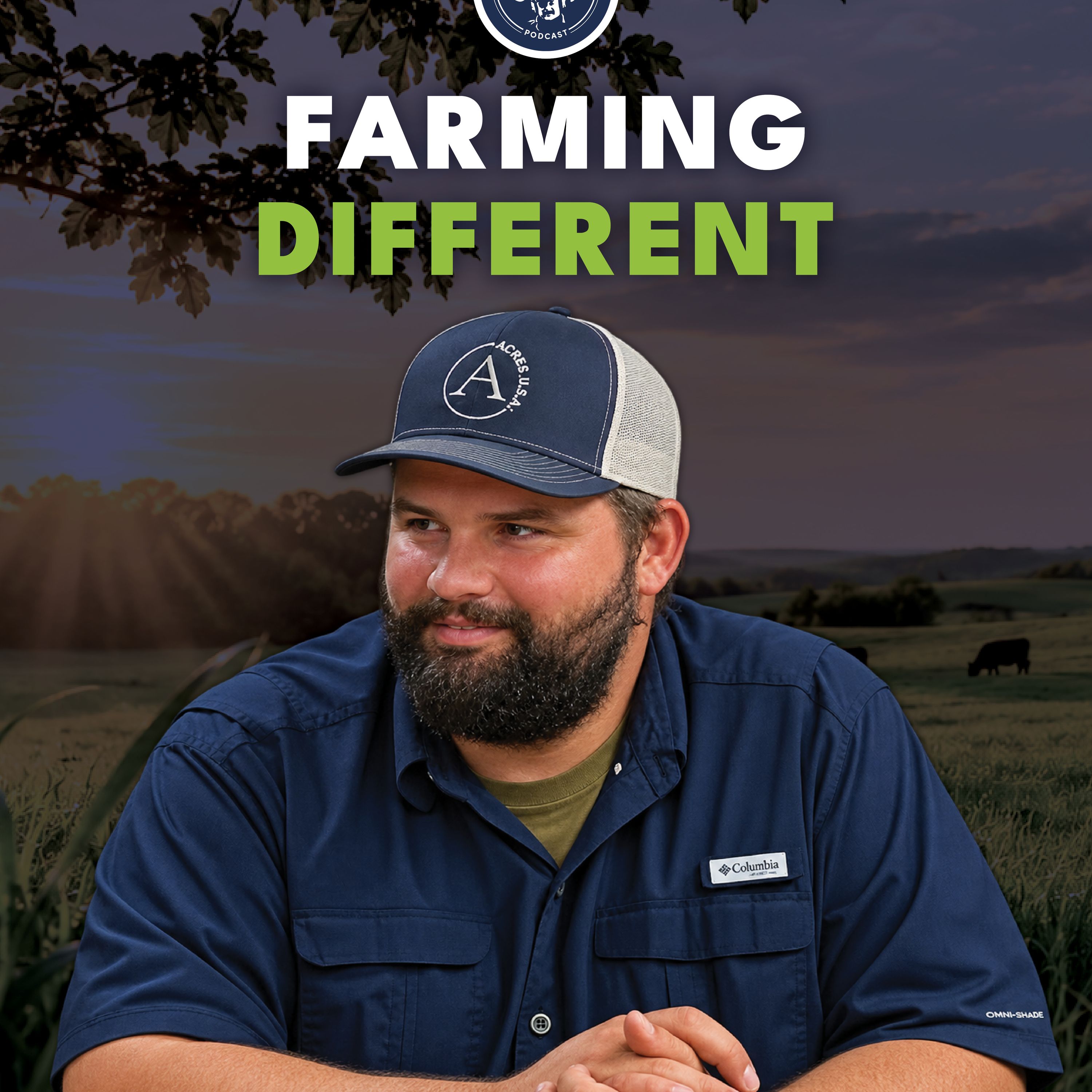
Brock Purdy : Resilience, Farming & Life Beyond Football

Brock Purdy : Resilience, Farming & Life Beyond Football

November 12, 2026 39:22
Episode notes

What does an NFL quarterback have in common with an Iowa farmer? More than you might think. In one of Farm4Profit's most anticipated Farm4Fun conversations, the crew welcomes Brock Purdy to the show. From his days at Iowa State to being selected with the final pick of the 2022 NFL Draft and eventually leading the San Francisco 49ers to the Super Bowl, Brock's journey has been anything but conventional. But beyond football, the Arizona native has developed a genuine appreciation for agriculture through his wife Jenna's family farm in northeast Iowa. Brock shares how a simple video of him harvesting corn with his future father-in-law eventually caught John Deere's attention and helped launch a partnership that continues today. And when asked whether driving an expensive combine or facing a fourth-down situation in the NFL was more nerve-racking, Brock admits that trying to impress his future father-in-law might have been the tougher challenge!

The conversation takes a meaningful turn as Brock discusses resilience, overcoming adversity, and focusing on what you can control. Reflecting on the 49ers' remarkable comeback against the Detroit Lions in the NFC Championship Game, Brock explains how he avoided getting overwhelmed by the scoreboard and instead focused on executing one play at a time. He connects that same mindset to the challenges he's faced throughout his career, from being overlooked and underestimated to dealing with injuries and the constant pressure of professional football. For farmers facing unpredictable markets, weather challenges, rising expenses, and circumstances outside their control, Brock offers a powerful perspective on perseverance. Rather than viewing difficult situations only as setbacks, he believes adversity creates opportunities to learn, improve, and become stronger.

Faith, family, and humility are central to Brock's identity, and he credits those values with helping him stay grounded despite his success. He talks about the influence of his family, the importance of his relationship with God, and the role agriculture plays in helping him disconnect from the demands of the NFL. Whether he's spending time in a combine in Iowa or mowing grass with his John Deere equipment in Tennessee, Brock finds satisfaction in working with his hands and appreciating a simpler way of life. He also shares how his time at Iowa State helped him recognize the work ethic and character of agricultural communities. Brock remembers teammates from farming backgrounds who brought a humble, hardworking mentality to the football field, and he explains why surrounding himself with mentors who tell him the truth has been essential to his personal and professional growth.

The Farm4Fun crew also gets Brock talking about life in the NFL, financial responsibility, and his relationships with teammates. He reflects on the importance of managing money wisely after signing a major NFL contract, emphasizing responsible stewardship, generosity, and surrounding himself with trustworthy financial advisers. Brock also shares stories about fellow Iowa native George Kittle, including the time Kittle welcomed the former Cyclone to the 49ers by decorating his locker with Iowa Hawkeyes gear. The conversation touches on his favorite former Iowa State teammates, including Breece Hall, Hakeem Butler, and Charlie Kolar, as well as his admiration for Christian McCaffrey and other players he's shared the field with. He even reveals that if football hadn't worked out, he might have pursued sports broadcasting or a leadership-oriented career.

Of course, it wouldn't be Farm4Fun without some laughs and unexpected questions. Brock admits that although he knew how to operate a tractor, he wasn't actually driving the John Deere tractor through San Francisco in the commercial. The crew gives him a hard time about his Ariat sponsorship, and Brock jokingly offers to help connect Farm4Profit with the brand. He also shares that his wife Jenna deserves the credit for furnishing much of their home with Pottery Barn, laughs about criticism of his game-day outfits, and talks about the possibility of raising a family with room to enjoy animals, agriculture, and the outdoors. While he doesn't know exactly where life after football will take him, Brock says the idea of having land, growing crops, and spending time outdoors is increasingly appealing. For now, one of his favorite jobs is simply mowing tall grass with a tractor and rotary cutter, then looking back at a job well done.

Want Farm4Profit Merch? Custom order your favorite items today!

https://farmfocused.com/farm-4profit/

Don’t forget to like the podcast on all platforms and leave a review where ever you listen!

Website: www.Farm4Profit.com

Shareable episode link: https://intro-to-farm4profit.simplecast.com

Email address: Farm4profitllc@gmail.com

Call/Text: 515.207.9640

Subscribe to YouTube: https://www.youtube.com/channel/UCSR8c1BrCjNDDI_Acku5Xqw

Follow us on TikTok: https://www.tiktok.com/@farm4profitllc

Connect with us on Facebook: https://www.facebook.com/Farm4ProfitLLC/

Farm4Profit Media is not a financial, legal, or tax advisor. Content is provided for informational purposes only, and we serve solely as a platform for third-party opinions. Any actions taken based on this content are at your own risk.


Hosted by Simplecast, an AdsWizz company. See pcm.adswizz.com for information about our collection and use of personal data for advertising.

The 80-Acre Experiment That Could Change Your Farm's Profitability

The 80-Acre Experiment That Could Change Your Farm's Profitability

November 11, 2026 11:44
Episode notes

Could organic production be the next opportunity to improve your farm's profitability? Greg Schreiner, co-founder of Quick Organics, returns to Farm4Profit to explain why more conventional farmers should at least consider the economics of organic production. Drawing on 12 years of personal organic farming experience, Greg describes how frustrating and time-consuming USDA organic certification paperwork can be. Quick Organics was created to simplify that process through digital recordkeeping, streamlined organic system plans, and easier documentation of planting, tillage, cultivation, inputs, and harvest activities. Greg also shares a major company milestone: helping develop a Common Organic System Plan, which he says received USDA approval in May after approximately five years of work.

Rather than suggesting that every farmer immediately convert an entire operation, Greg recommends starting with a manageable number of acres, whether that's 80, 160, or 240. He believes organic production could help conventional farmers diversify their income and capitalize on changing consumer preferences. Greg points to the growing purchasing influence of Generation Z and its interest in organic products as a reason to pay attention to future demand. He also emphasizes that organic opportunities extend well beyond fruits and vegetables. Farmers can explore organic corn, white corn, blue corn, soybeans, wheat, sorghum, alfalfa, and specialty beans. In particular, Greg sees organic alfalfa as an attractive transition crop because of its potential fit within existing agricultural infrastructure and markets.

The conversation explores one of the biggest barriers to organic production: the transition period. Greg explains that Quick Organics helps farmers develop a timeline that could allow a crop harvested in 2029 to qualify for organic pricing if prohibited inputs were discontinued at the appropriate point in 2026. That means farmers may face roughly two crop years receiving conventional prices while following organic production requirements. He also addresses the practical challenges of sourcing manure, finding appropriate equipment, locating buyers, and maintaining separation between conventional and organic grain. Quick Organics is developing a supplier and market network to help farmers navigate these challenges, while Greg notes that cleaning equipment, maintaining records, and documenting transportation are important parts of protecting organic integrity. Actual eligibility depends on certification requirements and the documented timing of prohibited substance applications.

One of the most interesting developments is Quick Organics' new online profitability calculator, designed to help farmers compare conventional and organic production scenarios. Greg uses the example of a 1,500-acre farm that converts 500 acres to organic while maintaining 1,000 conventional acres. He cites illustrative organic prices of approximately $14 per bushel for corn, $24 for soybeans, and $16 for wheat, demonstrating how premium markets could change an operation's gross revenue potential. The calculator allows farmers to explore different acreage allocations and crop prices. However, the hosts and Greg acknowledge that the decision requires more than looking at higher selling prices; producers also need to evaluate transition costs, yields, labor, equipment, certification, and access to reliable markets.

The episode wraps up with a discussion about government programs and financial assistance available to organic and transitioning farmers. Greg highlights organic certification cost-share opportunities and discusses conservation programs through USDA NRCS, including EQIP and emerging regenerative agriculture initiatives. Quick Organics is working to incorporate information about funding opportunities and applications directly into its platform, potentially reducing the administrative burden on producers. Greg believes many farmers are overlooking programs that could help offset the cost of changing practices, although actual assistance varies by program, location, eligibility, and available funding.

The takeaway: Organic farming doesn't have to be an all-or-nothing decision. For conventional farmers willing to investigate new markets, experiment with a portion of their acres, and carefully evaluate the economics, organic production may offer another path toward long-term profitability.

Explore the transition tools and profitability calculator at QuickOrganics.com

Want Farm4Profit Merch? Custom order your favorite items today!

https://farmfocused.com/farm-4profit/

Don’t forget to like the podcast on all platforms and leave a review where ever you listen!

Website: www.Farm4Profit.com

Shareable episode link: https://intro-to-farm4profit.simplecast.com

Email address: Farm4profitllc@gmail.com

Call/Text: 515.207.9640

Subscribe to YouTube: https://www.youtube.com/channel/UCSR8c1BrCjNDDI_Acku5Xqw

Follow us on TikTok: https://www.tiktok.com/@farm4profitllc

Connect with us on Facebook: https://www.facebook.com/Farm4ProfitLLC/

Farm4Profit Media is not a financial, legal, or tax advisor. Content is provided for informational purposes only, and we serve solely as a platform for third-party opinions. Any actions taken based on this content are at your own risk.


Hosted by Simplecast, an AdsWizz company. See pcm.adswizz.com for information about our collection and use of personal data for advertising.
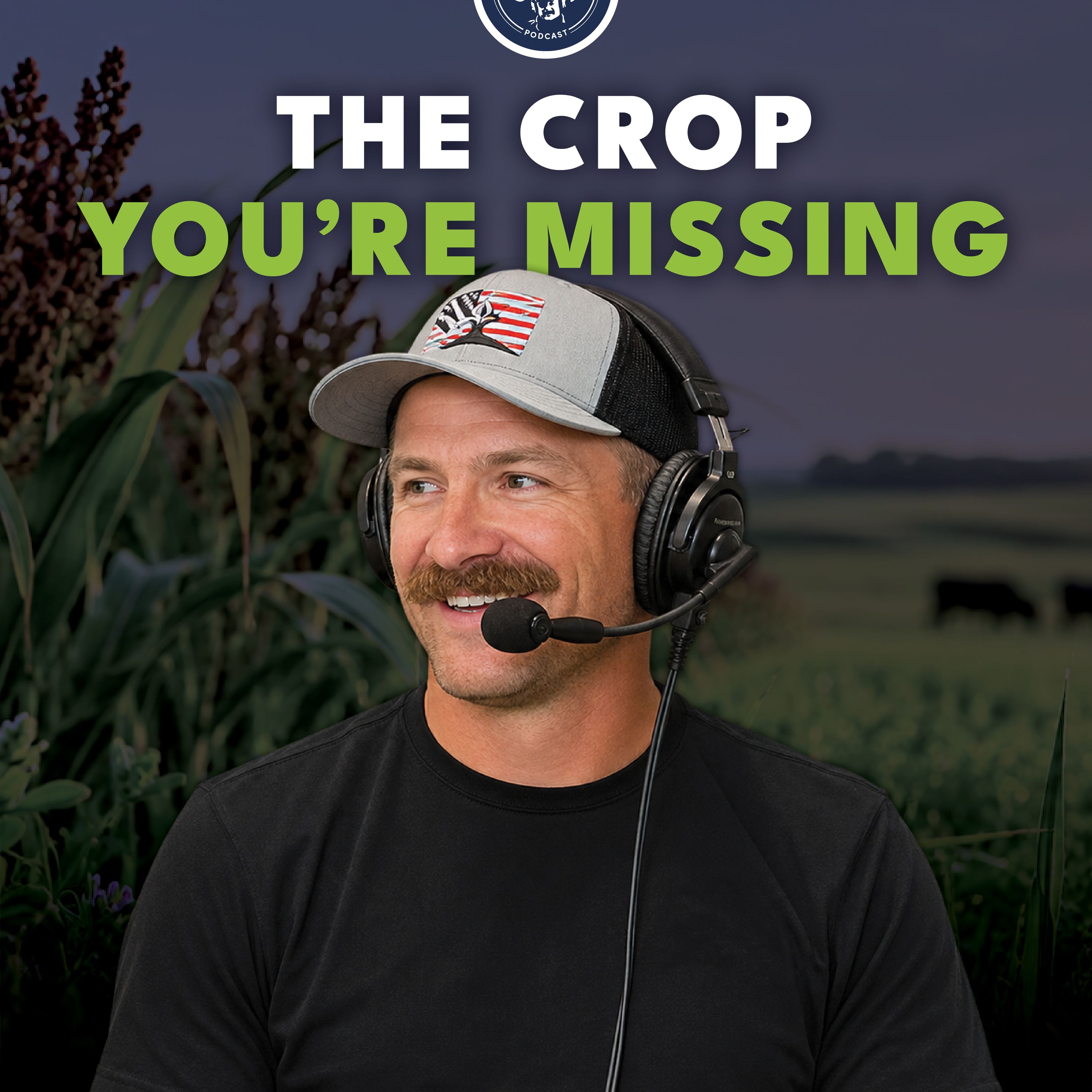
The 5 Biggest Grain Marketing Mistakes Farmers Make with Ed Usset

The 5 Biggest Grain Marketing Mistakes Farmers Make with Ed Usset

November 9, 2026 36:11
Episode notes

Is your grain marketing strategy helping your farm make money, or are you leaving valuable opportunities on the table? Recorded during a lightning delay at the Farm Progress Show, the Farm4Profit crew welcomes Ed Usset, grain marketing economist with the University of Minnesota's Center for Farm Financial Management, for a conversation about improving grain marketing decisions. Ed brings decades of experience to the discussion, including 12–13 years as a wheat buyer and pit trader at the Minneapolis Grain Exchange for Pillsbury. Since joining the University of Minnesota in 1996, he has dedicated much of his career to helping farmers understand commodity markets, futures, options, and the importance of having a consistent marketing strategy.

Ed is also the author of Grain Marketing Is Simple (It's Just Not Easy), now in its third edition, with nearly 17,000 copies sold across its editions. One of his most memorable teaching methods involves fictional farmers representing different grain marketing strategies. Barney Binless sells at harvest, Terry Timer prices grain before harvest, Peter Paperfarmer uses options, Hank Holder keeps grain in the bin too long, and Sally Sell-the-Carry takes advantage of opportunities in futures market spreads. Ed uses decades of actual historical grain price data to compare these approaches, helping farmers understand which strategies have performed consistently rather than judging success by a single year's results.

The conversation begins exploring five common grain marketing mistakes, starting with farmers' reluctance to price grain before harvest. Ed explains that some of the best marketing opportunities historically occur during April, May, and June, when weather uncertainty and growing-season concerns can create price rallies. He argues that crop insurance can give producers additional confidence to make pre-harvest sales, particularly when prices are at or above their cost of production. However, he emphasizes that no strategy wins every year. David shares his own experience making early grain sales near $5 corn, only to watch markets rally later. The discussion reinforces an important lesson: a profitable sale doesn't become a bad decision simply because prices eventually move higher.

Ed's second major concern is farmers failing to understand and track their local basis. He explains why knowing the relationship between local cash grain prices and futures prices is essential, especially when nearby ethanol plants, soybean processors, and competing grain buyers influence local demand. Ed also introduces listeners to FINBIN, the University of Minnesota's publicly accessible farm financial database, which contains real production, expense, and profitability information from participating farms across multiple states. He points to historical Minnesota farm data suggesting average corn profitability of approximately 10–20 cents per bushel over a ten-year period, including government payments. Against margins that narrow, improving grain marketing performance by even 20 cents per bushel could make a substantial difference.

Between discussions of market carry, grain storage, the value of historical data, and the psychology of selling grain, Ed makes a strong case for approaching marketing with a written plan rather than relying on emotion or attempting to predict the market's highest price. And, in classic Farm4Profit fashion, the conversation includes plenty of humor about lightning strikes, hazard pay, Ed's honorary doctor title, and whether his fictional grain marketers might someday become AI assistants.

The takeaway: Successful grain marketing isn't about perfectly predicting the market. It's about understanding your costs, knowing your basis, recognizing profitable opportunities, and following a disciplined strategy over time.

Want Farm4Profit Merch? Custom order your favorite items today!

https://farmfocused.com/farm-4profit/

Don’t forget to like the podcast on all platforms and leave a review where ever you listen!

Website: www.Farm4Profit.com

Shareable episode link: https://intro-to-farm4profit.simplecast.com

Email address: Farm4profitllc@gmail.com

Call/Text: 515.207.9640

Subscribe to YouTube: https://www.youtube.com/channel/UCSR8c1BrCjNDDI_Acku5Xqw

Follow us on TikTok: https://www.tiktok.com/@farm4profitllc

Connect with us on Facebook: https://www.facebook.com/Farm4ProfitLLC/

Farm4Profit Media is not a financial, legal, or tax advisor. Content is provided for informational purposes only, and we serve solely as a platform for third-party opinions. Any actions taken based on this content are at your own risk.


Hosted by Simplecast, an AdsWizz company. See pcm.adswizz.com for information about our collection and use of personal data for advertising.

When Life Hits Harder Than Farming: Chuck Weldon's Comeback Story

When Life Hits Harder Than Farming: Chuck Weldon's Comeback Story

November 5, 2026 54:08
Episode notes

The Farm4Fun crew welcomes back Chuck Weldon of Gallatin, Missouri, for a long-overdue reunion at Husker Harvest Days. Chuck farms corn and soybeans, raises contract hogs, works in country radio under the on-air name Chuck Wagon, and remains a part owner of Whitetail Fix Hunting TV. Naturally, the episode gets off to a hilarious start when David admits the crew recorded nearly ten minutes of conversation without actually hitting the record button. With beers already open, the guys start over and quickly dive into Chuck's busy life, his passion for CrossFit, and his early progress through the 2026 harvest.

The conversation explores the realities of running a diversified farming operation when nearly every expense seems to be increasing. Chuck explains why he continues using PTO-driven GT batch grain dryers, despite their limited capacity, to get a head start on corn harvest. He estimates his drying costs at roughly 15 cents per bushel for diesel and propane and says the ability to begin harvesting earlier can make a significant difference when trying to finish before deer season. The guys also get into the economics of contract pork production, including rising building insurance, equipment replacement costs, deteriorating concrete slats, and the difficulty of making a new hog confinement barn cash flow. Chuck shares stories about animal health challenges, moving large hogs, and the everyday hazards that come with working inside a finishing barn.

Midway through the episode, the conversation takes a meaningful turn as Chuck opens up about his divorce and the mental health struggles that followed. He candidly describes experiencing severe depression and suicidal thoughts during one of the most difficult periods of his life. Rather than keeping that experience private, Chuck decided to share his story on social media and discovered that many other people, particularly men, were dealing with similar challenges. He explains how messages from strangers and fellow agricultural creators helped him realize the importance of speaking openly. One particularly powerful story involves fellow creator Mike Burkhart, who drove several hours simply to check on Chuck during a difficult time. Chuck credits his faith, family, and friendships with helping him move forward and says being able to support others through similar experiences has become one of the most rewarding parts of sharing his life online.

The crew also discusses Chuck's continued relationship with Maya Corn Heads. After previously demonstrating a 12-row head and operating an eight-row chopping head, Chuck is running an eight-row non-chopping Maya head for the current season. He explains why he continues paying to use the equipment, how it performs in challenging crop conditions, and why he believes the company's corn heads offer advantages when harvesting down corn. The conversation moves into residue management, tillage decisions, and the financial pressure created by expensive diesel fuel. Chuck shares that a recent 2,000-gallon fuel purchase cost him more than 4,000 gallons had the previous year. That leads to a broader discussion about fuel markets, agricultural policy, political division, and the importance of finding practical solutions that support farmers regardless of party affiliation.

Between stories about CrossFit-related emergency room visits, hog manure lagoons, deer hunting, radio fame, and social media friendships, the episode delivers exactly what Farm4Fun is known for: plenty of laughs, honest conversations, and an occasional unexpected life lesson.

The biggest takeaway: Farming is difficult enough when everything is going right. When personal struggles enter the picture, having people who genuinely care, being willing to ask for help, and knowing you're not alone can make all the difference.

Want Farm4Profit Merch? Custom order your favorite items today!

https://farmfocused.com/farm-4profit/

Don’t forget to like the podcast on all platforms and leave a review where ever you listen!

Website: www.Farm4Profit.com

Shareable episode link: https://intro-to-farm4profit.simplecast.com

Email address: Farm4profitllc@gmail.com

Call/Text: 515.207.9640

Subscribe to YouTube: https://www.youtube.com/channel/UCSR8c1BrCjNDDI_Acku5Xqw

Follow us on TikTok: https://www.tiktok.com/@farm4profitllc

Connect with us on Facebook: https://www.facebook.com/Farm4ProfitLLC/

Farm4Profit Media is not a financial, legal, or tax advisor. Content is provided for informational purposes only, and we serve solely as a platform for third-party opinions. Any actions taken based on this content are at your own risk.


Hosted by Simplecast, an AdsWizz company. See pcm.adswizz.com for information about our collection and use of personal data for advertising.
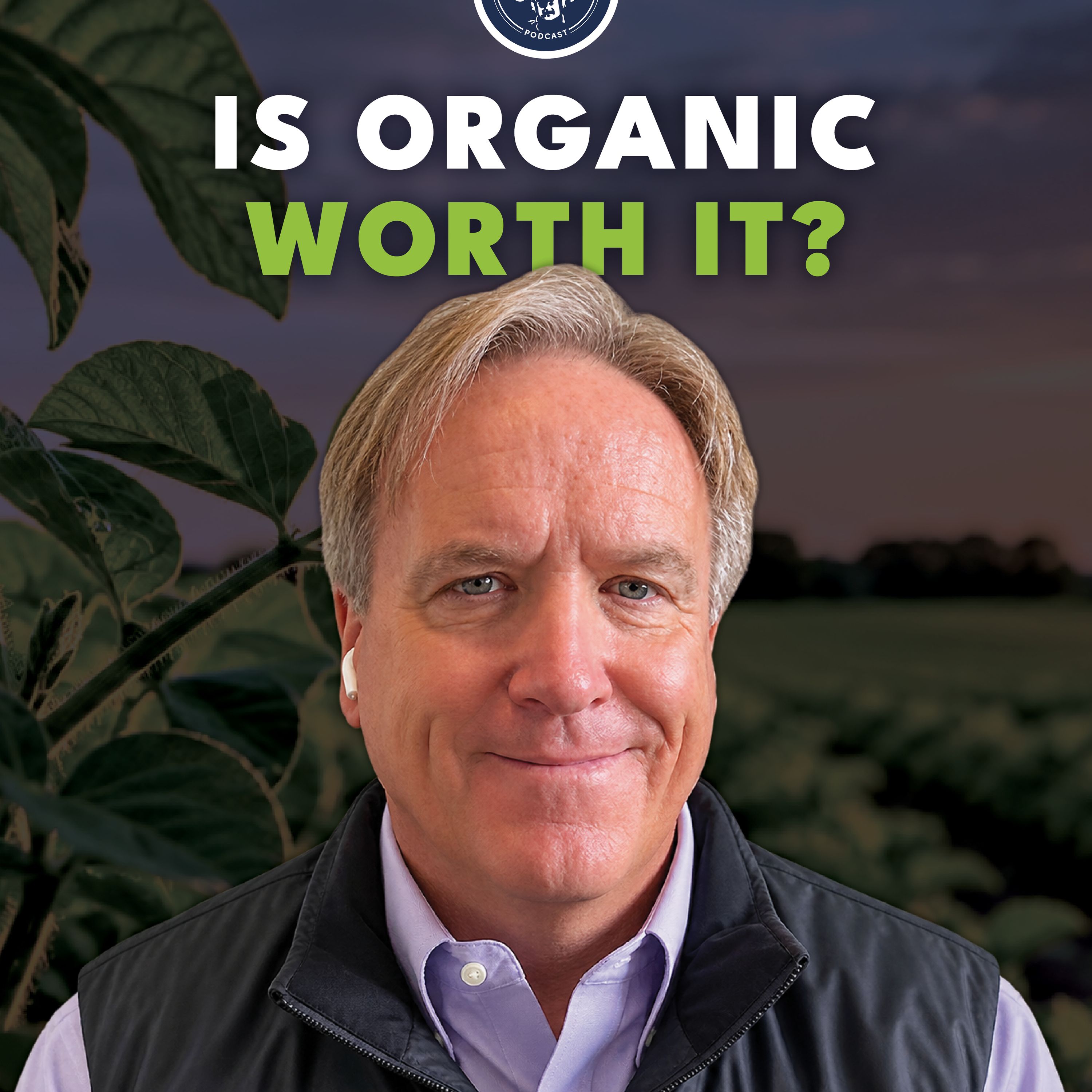
ADVERTISEMENT
Agriculture, delivered.Subscribe to MyAgLife →

STAY CONNECTED

Get the latest ag news,
delivered to your inbox.

Your connection to California agriculture, wherever the day takes you.

Subscribe to MyAgLife