
Farm To Table Talk
Fresh episodes and conversations from the agricultural community.
Latest episodes ↓
About This Podcast
Is it best that our food is Local and Organic or Big and Conventional? Our view is “Both, and..” We don’t come to the table with a bias, except that good farming like good food comes in all shapes and sizes. Farm to Table Talk explores issues and the growing interest in the story of how and where the food on our tables is produced, processed and marketed. The host, Rodger Wasson is a food and agriculture veteran. Although he was the first of his family to leave the grain and livestock farm after five generations farming in America, he’s continually worked for and with farmers though-out America and around the world. From directly managing commodity boards and councils to presently building the strategic consultancy, Idea Farming Inc., the Farm to Table Talk podcast has been created to satisfy the curiosity of today’s engaged consumers.
Recent Episodes

Consumers Want To Know – Andrew deCoriolis
Episode notes
Some say consumers don’t know enough about farming to have informed opinions on farming methods. Andrew deCoriolis, Executive Director of Farm Forward says that’s not true–Consumers do know how they want animals treated. Farm Forward is generally opposed to “factory farms” and is especially opposed to misleading campaigns to slip language into the farm bill that would reverse state voter decisions establishing guidelines for pork production practices (gestation crates) if they want to market in that state. The US Supreme Court has already ruled in favor of state’s right to make restrictions tied to production practices. Not to be deterred another attempt to supercede the Supreme Court and voters choice is being proposed for the Farm Bill under the deceptive title of “Save Our Bacon Act”. Everyone who cares should call to leave a message for their US Senators. Senate switchboard, 202 224 3121 .
www.farmfoward.com
Farm Teach Resilience – Kara Tupy
Episode notes
Kara Tupy and her family live near Chico, California on their Hidden Springs Family Ranch. In the aftermath of the worst wild fire in California’s history that destroyed the near by town of Paradise, Kara was insprired to create Farm Teach, a nonprofit that offers paid regenerative farming fellowships to youth. Her background as an educator and her family’s transition from suburban gardening to farming led to the creation of Farm Teach, which uses principles of regenerative agriculture to help young people process trauma and develop resilience. She discussed the program’s focus on diversity, using the metaphor of an ecotone, and nature’s lesson that
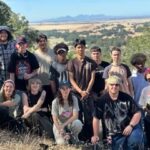 diversity creates resilience. The Farm Teach program is funded through grants, especiallyfrom the California Department of Food And Agriculture and is evolving its funding strategy to include direct contracts and program support. Farm Teach helping a new generation with their own approach to farming, food systems, and sustainability.
www.farmteach.org

Silent Spring, Seasons, Years – Elizabeth Hilborn
Episode notes
 Some messages are worth hearing again such as this re-released classic from July 2023 with Elizabeth Hilborn.
Over 60 years ago Rachel Carson warned of “Silent Spring (s)” to come from the harms of indiscriminate use of pesticides. Since then the threatening big picture has broadened to position the Earth in the current period of the Sixth Extinction. Extinctions are gradual but silence can be sudden as it seemed to honey bee veterinarian Elizabeth Hilborn who had to solve a mystery of what killed animals on her North Carolina farm. When she identified the cause, solutions and hopeful signs, it led to writing a book with a message:Restoring Eden.

Wendell Berry – 1934 – 2026 R.I.P.
Episode notes
The only thing we should ask is: what is the right thing to do? That is what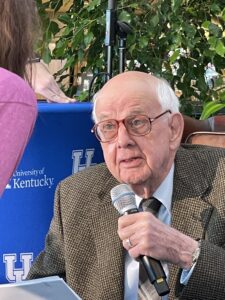 the Earth requires of us according to author/philosopher Wendell Berry. “We have the world to live in and the use of it to live from on the condition that we take care of it. And to take good care of it we have to know it and we have to know how to take care of it.” We have to love it. Farm To Table Talk brings back the wisdom of Wendell Berry at his passing.
The interview was a production of the Schumann Media Center, Inc. and Mannes Productions, Inc.© 2013
Church Farms To Table – Pastor Heber Brown III
Episode notes
Conservation Conversation – Bruce Knight
Episode notes
Bruce Knight describes himself as a “lifelong conservationist” following his father’s advice to “leave the land better than you found it,” He shares his journey from farming in South Dakota to leading the Natural Resources Conservation Service during the Bush administration to his role with Strategic Conservation Solutions. Rodger and Bruce explore various conservation programs including the Environmental Quality Incentives Program (EQIP), Conservation Reserve Program (CRP), and how these programs have evolved to support farmers in implementing practices like rotational grazing, no-till farming, and cover crops. Bruce explains how these programs have grown from initial federal funding to include private sector partnerships with food companies like McDonald’s and Nestle investing in regenerative agriculture initiatives. They discussed the balance between voluntary conservation incentives and regulatory compliance, noting that while some farmers are proactively seeking to improve their land, there is relatively light regulatory oversight. The conversation concluded with Bruce expressing optimism about the growing interest in conservation and sustainability among young people entering the field, noting that the food movement has made conservation popular again and created opportunities for both small and large-scale farmers.

Global Views Local Use – Nick Ohrtman
Episode notes
Seeing the whole world every day can give food companies, farmers and consumers knowledge of crop issues, food supply now and in the future. Rodger interviews Nick Ohrtman from Earth Daily, a remote sensing analytics company, on the Farm to Table Talk podcast. Nick explains that Earth Daily has a constellation of 10 satellites to providing daily, 5-meter resolution imagery of the Earth’s landmass, primarily for agricultural monitoring. The data can track crop conditions globally, assist in forecasting production, and help farmers and food companies make informed decisions. The conversation coveresthe technical aspects of satellite imagery, the role of AI in processing data, and the applications for various crops beyond major
 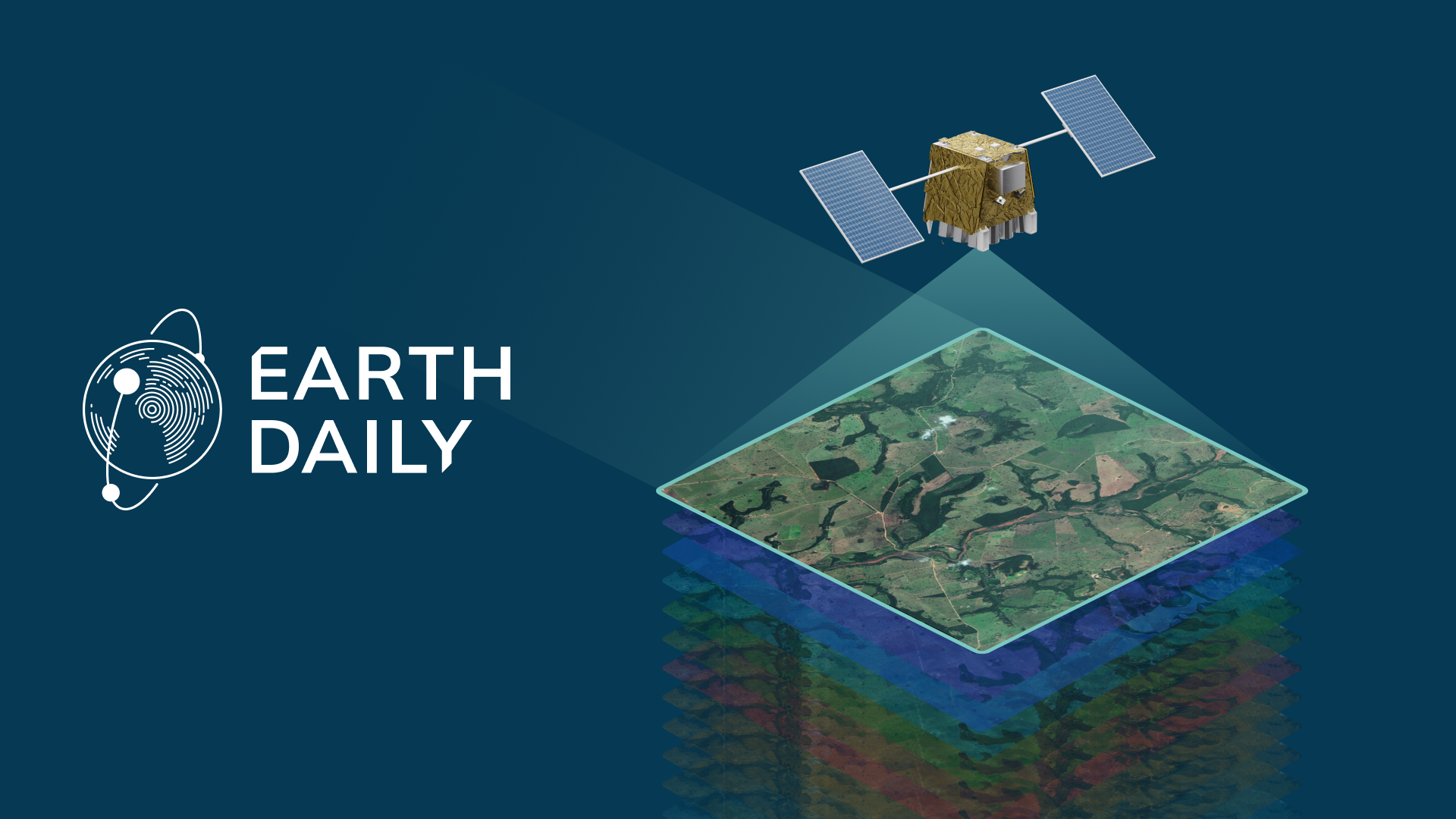 commodities. They also toucheon the implications of climate change and how remote sensing can aid in adapting to new growing conditions. The value of this technology is the understanding of global food supply dynamics and improving efficiency in agriculture for a broad swath of food systems, from global views to local use. www.earthdaily.com

Holistic & Realistic – Allan Savory
Episode notes
Some conversations deserve a second hearing . In this episode we’re bringing back one of those conversations, Allan Savory.
The cause of climate change is not animals or fossil fuel. It is how we manage all resources and we can start with grasslands of the world. Allan Savory, the founder of the Savory Institute, is a renowned ecologist and pioneer in holistic land management. His work fhas focused on regenerating degraded landscapes through innovative practices that integrate livestock grazing with sustainable land stewardship. His holistic approach aims to restore ecosystems, combat desertification, and address global challenges related to food production and climate change. In this re-release Allan Savory joins Farm To Table Talk to explore groundbreaking contributions to sustainable agriculture, environmental conservation and attention to global policies that will make a difference.

Farm To Table Journey – Rodger Wasson
Episode notes

Farms Fixing Earth’s Greenhouse – Marty Matlock
Episode notes
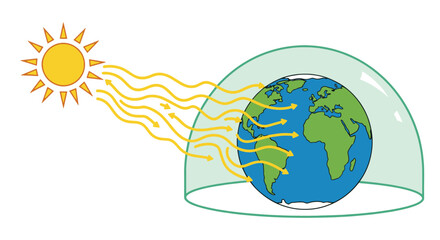 With current global, political and societal crises, the urgent need to fight climate change is being pushed to the edges. It’s not happening with Farm To Table Talk as we re-visit a podcast classic and the claim that Agriculture will reverse the dangerous levels of greenhouse gases in the environment, if Ag follows a report prepared by leading scientists, reviewed by CAST (Center for Ag Science and Technology) and published by the US Farmers and Ranchers In Action. Dr.Marty Matlock, University of Arkansas and leading author of the repot explains how combining reduced greenhouse gas (GHG) emissions with increased carbon sequestration will achieve GHG-negative agriculture in five areas offering the most significant opportunities to offset Ag’s roughly 10% of U.S. greenhouse gas emissions: soil carbon management, nitrogen fertilizer management, animal production and management, crop yield gap, and efficient energy use.
https://youtu.be/HwCR5_N8D8YCAST: @CASTAgScience on all social media networks. USFRA: YouTube, LinkedIn, Facebook, Instagram and X.