
What California Farms Can Do Before New Cal/OSHA Enforcement Rules Take Effect
November 16, 2026
AgSafe urges growers and farm labor contractors to review how crews report hazards, document fixes and respond to serious incidents.
By MyAgLife Staff
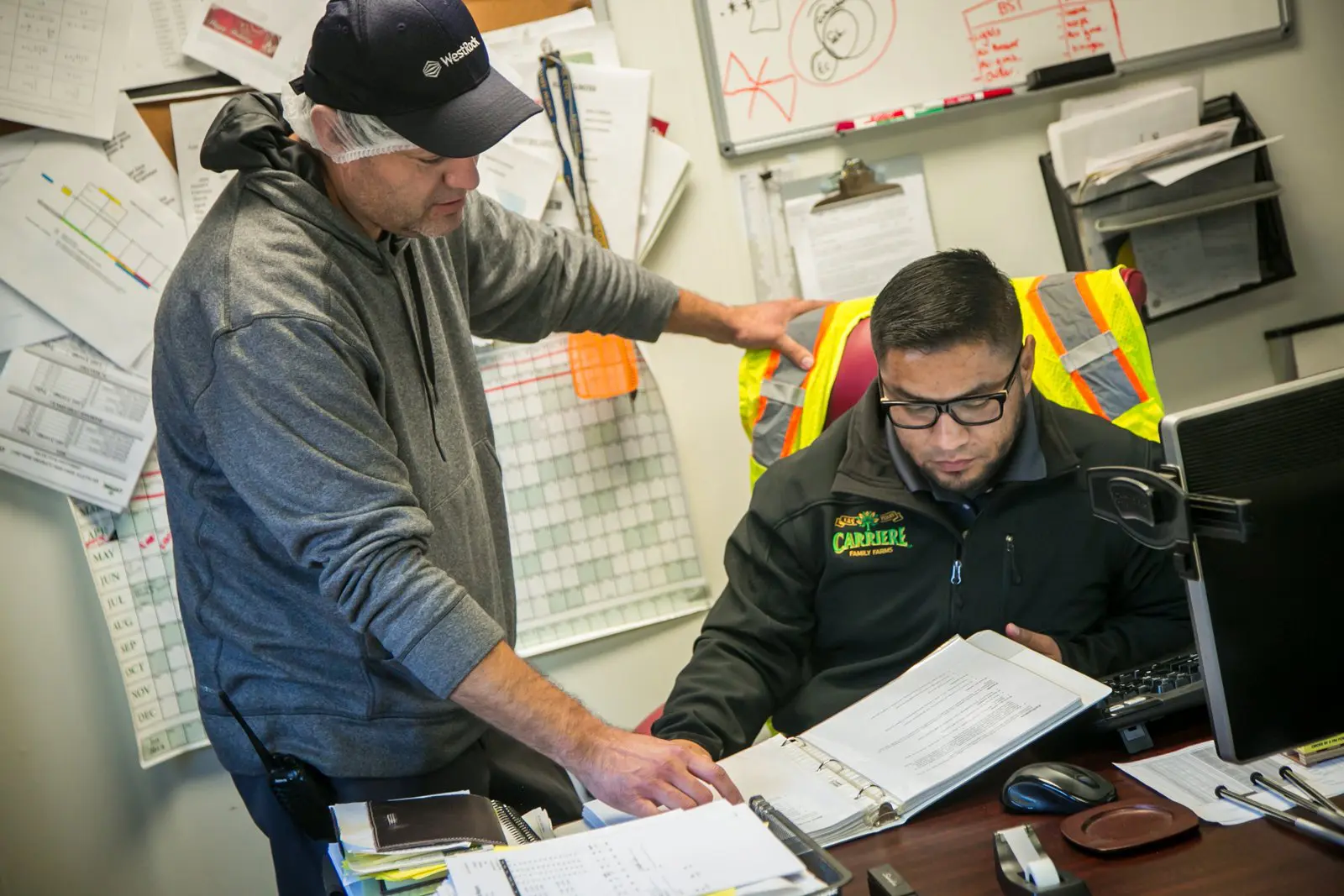
A crew lead reports that the water cooler in a field has been empty for two days. The problem goes unaddressed, and on the third day a worker is hospitalized with heatstroke. That’s a hypothetical Theresa Kiehn, president and CEO of AgSafe, offered in a MyAgLife interview to show why employers need to act when workers report a hazard.
Starting Jan. 1, 2027, California’s Assembly Bill 2321 expands when a willful workplace safety violation can lead to criminal charges. The law covers willful violations that cause serious injury, illness or exposure, in addition to those that cause death or permanent or prolonged impairment. Willfully interfering with an authorized Cal/OSHA inspection is a misdemeanor. [Chaptered text of AB 2321]
The law also requires Cal/OSHA’s Bureau of Investigations to investigate incidents involving serious injury, illness or exposure when the agency issues a citation for a willful violation. Fire or police agencies called to qualifying incidents must notify both Cal/OSHA and the local district attorney’s office.
Start with what happened this season
Kiehn suggested sitting down with supervisors and workers to go over injuries, near misses and recurring hazards. Compare what crews actually did with what the written safety plan calls for, including whether scheduled safety meetings took place and whether workers received training in the languages they speak.
She urged employers to follow up on past citations, audit findings and worker complaints and keep records of what they fixed. Growers who work with farm labor contractors should also agree in advance on who calls 911, who reports a serious injury to Cal/OSHA and who speaks with an inspector, she said.
When a worker reports a hazard, Kiehn said, employers should be able to answer two questions. “How quickly does it get fixed? And is that written down?”
Heat rules are also under review
Separately, Cal/OSHA is considering updates to its indoor and outdoor heat illness prevention standards. Under the discussion draft, outdoor employers would have to take additional steps to help newly assigned workers and those returning after more than 14 days away adjust to heat when the forecast high is at least 80 degrees Fahrenheit. The draft also calls for employers to give workers copies of their heat illness prevention plans. [Cal/OSHA heat-rule discussion draft]
AgSafe will hold its ACTIVATE27 conference Jan. 20–21 at the Monterey Conference Center. Kiehn said the program will give employers a chance to ask regulators questions and hear researchers discuss county-by-county agricultural workers’ compensation data. [ACTIVATE27 conference information]
More of Kristin Platts’s interviews: Kristin’s Interviews. Subscribe free to MyAgLife.