
Before You Replant That Hole, Ask Whether the Tree Will Get Enough Sun, UCCE’s Jaime Ott Says
November 16, 2026
Replanting a single tree is a bet that it will reach full productivity and pay back its cost, and sunlight is the first test.
By MyAgLife Staff
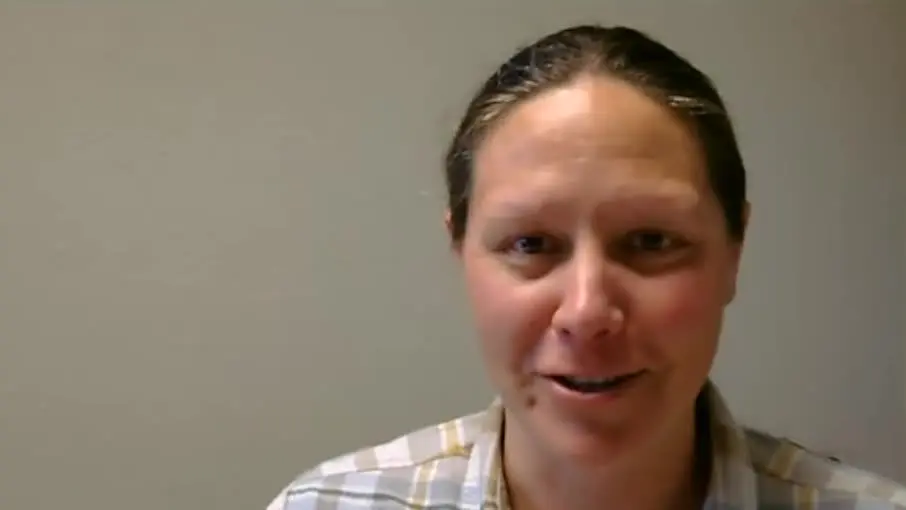
Jaime Ott, a University of California Cooperative Extension orchards advisor who works with growers in Tehama, Shasta, Glenn and Butte counties, talked with MyAgLife’s Kristin Platts about replanting single trees in an established orchard. The conversation began with a proposal from the California Department of Pesticide Regulation to make the tree-hole method for 1,3-D fumigation permanent, and moved to a question that comes before any fumigation: whether a replant makes sense at all.
Replanting is a bet
“Replanting in general is a really complicated decision and most people, I think, make it as a knee-jerk decision,” Ott said. “They’re like, yeah, there’s a hole, I’m going to put a tree in it.”
Ott encouraged growers to slow down. “I really think that it would be good for people to actually stop and consider what they’re doing because when you’re replanting a tree, you’re basically making a bet that you’re going to be able to get that tree up to full productivity and recoup the expense it took to plant that tree and then take care of it before you pull out the rest of your orchard.”
The 60 percent sun test
Ott gave growers a simple first check. “Basically, if you don’t have at least 60% sun at noon in that spot, probably that tree is never going to grow enough to make it worth the time or the trouble,” Ott said.
That test stands apart from replant disease or anything else. “That’s the real headline,” Ott said. “I think people should pay attention to replanting and whether or not it actually makes sense.”
Walnuts and root lesion nematode
For growers who decide to go ahead, Ott pointed to what the fumigation is aimed at in walnuts. “In walnut orchards specifically, there is a replant suppression that we might call replant disease, but what we are mostly worried about is root lesion nematode,” Ott said. “You can almost be assured that you have root lesion nematode if you have a walnut orchard, and root lesion nematode is the real target for fumigation in walnut.”
If you do replant, Ott said, “you want to give it the best chance it can have of surviving and making that economic bet.”
On the DPR proposal
Ott also gave a read on the proposal itself. In Ott’s area, almost all single-tree-hole fumigation is done in walnut orchards, and Ott said the interim rules now in place are really similar to what DPR has proposed. “The real thing we were worried about was back in 2014 when they put these new restrictions on 1,3-D and they didn’t include an ability to do this single tree hole fumigation,” Ott said. “The fact that they’re continuing with it I think is really a good thing.” During the interview, Kristin noted that comments on the proposal are due December 14.
Watch the short clip above to hear Ott’s advice on replanting in Ott’s own words.
More from MyAgLife editor Kristin Platts: all interviews. Subscribe free to MyAgLife.