California gardeners should check drainage around trees and foundations, manage weeds without chemicals and prepare to protect cold-sensitive plants, according to UC Integrated Pest Management guidance published Nov. 12. The November checklist puts water management and frost readiness on the seasonal task list, with regional checklists available to help gardeners match work to local conditions.
The guidance offers a starting point for home landscapes, rather than a single statewide winter schedule. UC IPM organizes its online Seasonal Landscape IPM Checklist by region and month. Its November recommendations call for protecting sensitive plants when freezing temperatures are predicted, making local conditions the trigger for action rather than the calendar alone.
Check drainage and adjust irrigation
Start with places where rainfall could collect. UC IPM recommends improving drainage to prevent water from pooling around tree trunks and building foundations. It also recommends downspout diverters that direct runoff into landscape soils. Together, those tasks focus attention on both where water leaves a roof and where it ends up in the yard.
An existing UC winterizing handout for Ventura County adds an irrigation inspection to that preparation. Check drip lines and emitters for damage or clogs, correct drainage problems before planting and reduce irrigation frequency during wet seasons. The recommendation is a seasonal adjustment, not an instruction to keep watering on the same schedule through rainy weather.
Remove mosquito breeding places
Standing water also creates mosquito habitat. UC IPM’s July 2025 mosquito guide explains that larvae develop in water held by ponds, bird baths and other objects. Its prevention advice extends the drainage check beyond garden beds to containers and water-holding features around the home, including items that may be easy to overlook.
Empty unused garden pots and other objects that collect water, then turn them upside down, cover them or dispose of them so they cannot refill. For containers that remain in use, UC recommends changing water in pet dishes, watering troughs and bird baths every week. It also advises avoiding landscape overwatering that leaves standing water.
Include the roof-drainage system in that work. The mosquito guide recommends removing debris from rain gutters and downspouts annually and keeping litter and garden debris out of street gutters and drains. For rain barrels, seal the barrel and keep filters and prefilters free of moisture-holding debris. Check water reservoirs regularly for leaks.
Prepare for local frost conditions
Frost preparation needs a local approach. The Ventura County winterizing handout describes hard freezes there as rare, while noting that occasional frost warnings occur, particularly in inland and valley areas. That description applies to Ventura County, not every California garden. The handout recommends identifying frost-sensitive plants and having covers ready before they are needed.
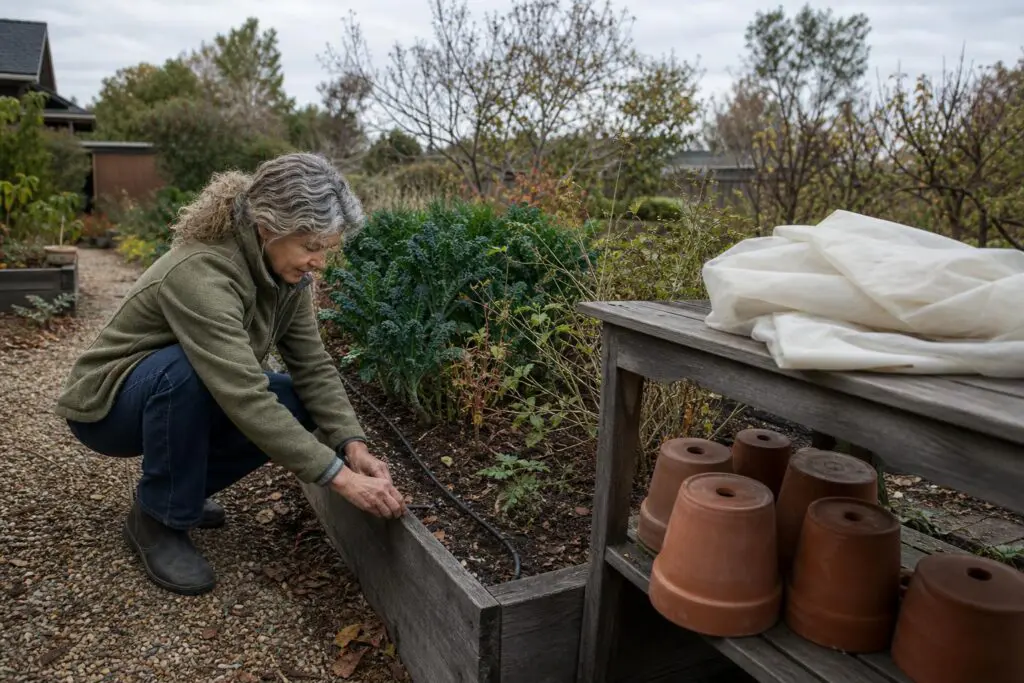
For temporary protection, the Ventura guidance lists burlap, old bedsheets, frost cloth or buckets as overnight covers for sensitive plants, with coverings removed during the day. It also recommends moving potted plants into a protected location, such as a garage, under eaves or against a warm wall, or covering them in place.
The same regional handout advises watering plants two to three days before frost because moist soil retains heat better than dry soil and releases warmth overnight. That frost-specific advice sits alongside its wet-season recommendation to reduce irrigation frequency. Gardeners should distinguish preparation for a predicted cold night from their routine winter watering schedule.
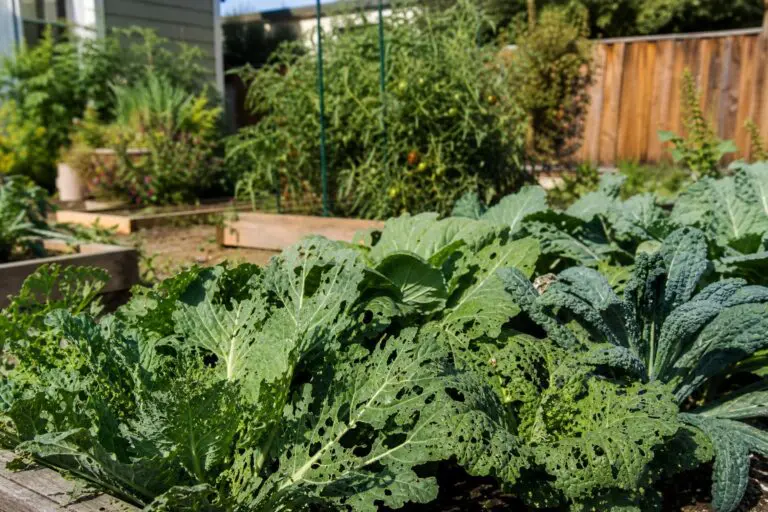
For weeds, UC IPM’s November checklist recommends cultivation, handweeding or mowing as nonchemical management options. The Ventura handout also calls for removing old crop material that can harbor pests and disease. It recommends composting healthy material and discarding the rest, adding garden-bed cleanup to the drainage and irrigation inspection.
Keep a record of what happens through the season. The Ventura handout recommends noting rainfall, temperature ranges, frost events, watering, pest problems and planting dates in a garden journal. Those observations provide a record to review when planning the next season’s garden, including which plants performed well and which needed more protection.