Winter pruning belongs on the calendar for some backyard fruit trees, but not all. In guidance published Nov. 3, UC Master Gardeners of Alameda County advise home growers to leave routine apricot and cherry pruning until the dry season after harvest. Apples, pears, peaches, nectarines and many plums can receive pruning during winter dormancy.
That distinction shapes a broader winter-care plan: identify the tree before making cuts, check its root-zone moisture before watering, and prepare citrus for cold without rushing to remove frost-damaged wood. The guidance addresses home gardens, where a sheltered coastal site and an inland frost pocket can require different decisions.
Protect next year's fruiting wood
For pruning, the first question is where the next crop will grow. Peaches and nectarines produce primarily on shoots from the previous growing season. Many apples and pears carry fruit on short spurs on older branches. Treating those trees alike can sacrifice fruit-bearing wood and much of the following year's crop.
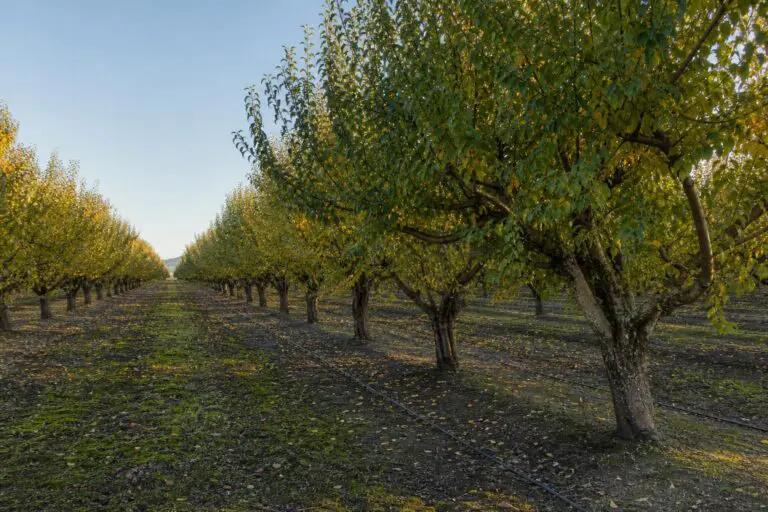
Leaf fall makes the framework of deciduous trees easier to inspect. The Alameda County advisers recommend purposeful cuts that address damaged wood, crowding and rubbing branches, while also considering sunlight and reachable fruit. Gardeners unsure which wood to retain should seek guidance for their particular fruit species before proceeding.
Apricots require a different timetable because rainy-weather pruning wounds leave them especially vulnerable to Eutypa infection. The county guidance cites UC Integrated Pest Management's recommendation to allow about six weeks for wounds to close before winter rain. Missing the summer window is a reason to defer routine pruning, not catch up in winter. Hazardous broken limbs remain an exception.
Use cleanup to reduce disease sources
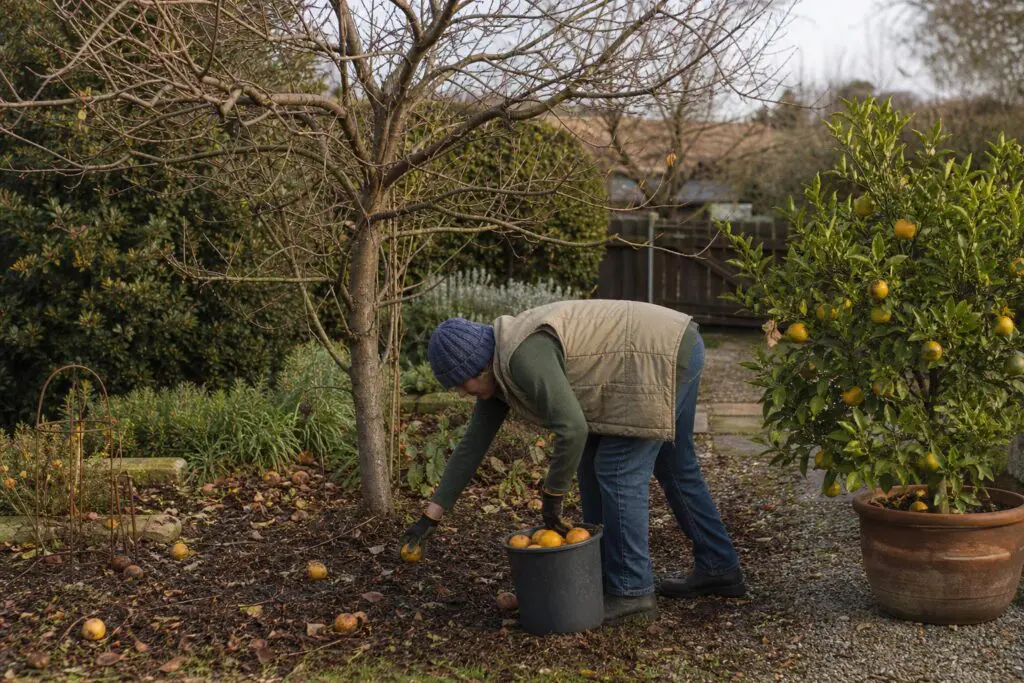
Cleanup offers a useful job while pruning waits. Dried fruit hanging in branches can carry pests and disease organisms through winter, as can fallen fruit. The Alameda County guidance calls for collecting fruit, leaves and branches and removing diseased debris from the growing area, particularly after a season with disease problems.
The reason extends beyond keeping a garden tidy. In December 2024 guidance from UC Marin Master Gardeners, author Nanette Londeree explains that disease needs three things together: a susceptible plant, a pathogen and conditions that allow infection. Removing infected debris targets one part of that combination. Her guidance also advises keeping diseased material out of the compost bin.
A record of last season's trouble can help focus the next response. The Alameda County advisers suggest notes and photographs of symptoms such as reddish, puckered peach leaves or branch dieback. They emphasize identifying the insect or disease rather than assuming every tree needs the same winter pest-management program.
Check roots, not just the calendar
Water decisions require a separate inspection. Cooler weather, shorter days and leaf loss lower demand, but the calendar alone cannot show whether roots have enough moisture. The county advisers recommend reducing irrigation through autumn and stopping automatic watering when rain adequately wets the root zone.
During a prolonged dry spell, examine soil below the surface before adding water, with particular attention to young trees and container-grown trees. A surface inspection can mislead in either direction: it does not show how deeply rain penetrated or how much water remains in heavier soil.
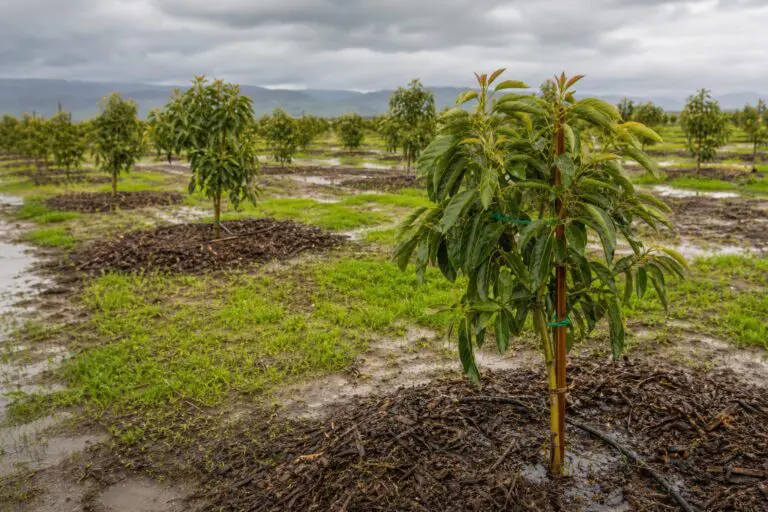
After storms, look for water collecting near trunks. Watering berms may need openings or removal so trapped rain can escape, according to the guidance. Repeated ponding warrants a drainage investigation rather than more irrigation. Keep emitters from repeatedly wetting bark, and leave several inches between mulch and the trunk to reduce crown-rot problems.
Prepare citrus protection before cold arrives
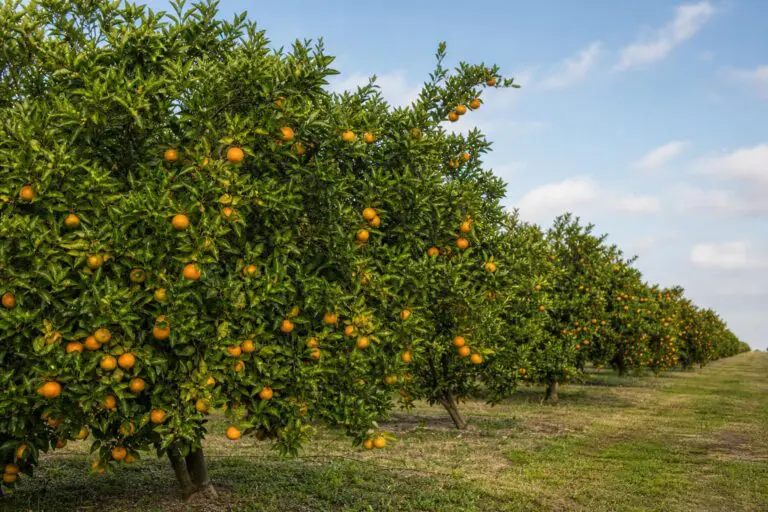
Citrus needs relatively little pruning to stay productive, and late-season cuts can encourage tender growth vulnerable to cold. For inland Alameda County gardens, the immediate task is preparing protection before a freezing night: have frost cloth available and move manageable citrus containers to shelter.
Small trees can be covered when frost is expected. The county advisers recommend cloth rather than plastic directly over the tree and removing ordinary cloth covers during daylight. Protection has limits in a severe or prolonged freeze. Variety, exposure and the length of the cold spell all affect injury, so one temperature threshold does not fit every tree.
Browned foliage after a freeze is not a reliable immediate guide to pruning. New growth helps reveal which portions survived. The Alameda County guidance advises leaving cold-damaged wood until late spring or summer, except for hazardous limbs.
For gardeners replacing or adding a tree, winter is bare-root planting season for deciduous fruit. Choose with mature size, pollination, chilling needs, sunshine and drainage in mind. Londeree's disease guidance adds another consideration: resistant varieties can reduce susceptibility. Citrus follows a different planting schedule, generally after the last spring frost.