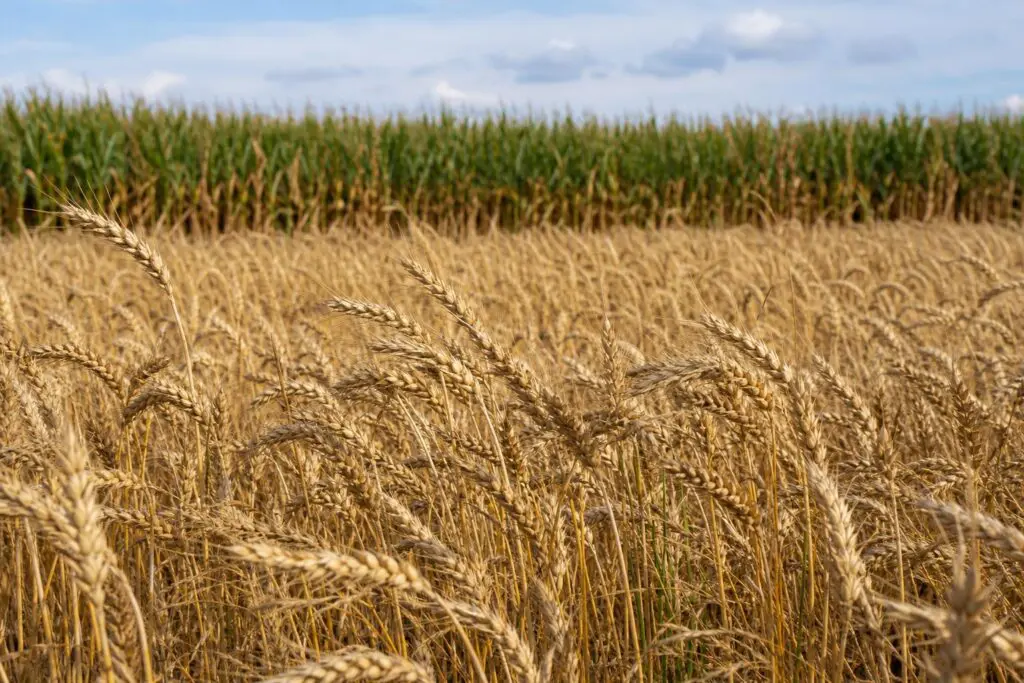
Farmers choosing 2026 commodity-program coverage face a December 11, 2026, election deadline, according to a new analysis by university agricultural economists. Their current projections generally favor Agriculture Risk Coverage at the county level, or ARC-CO, for corn and soybean base acres. Wheat is a closer comparison, with farm-specific yields helping determine whether Price Loss Coverage, or PLC, offers the larger expected payment.
The analysis comes from Nick Paulson and Gary Schnitkey of the University of Illinois, Henrique Monaco of the University of Minnesota and Carl Zulauf of Ohio State University. They report that annual elections return for 2026 after the 2025 exception, when producers received the higher ARC-CO or PLC payment. Any payments triggered for the 2026 crop year would arrive in October 2027.
County revenue versus a price trigger
The two programs respond to different risks. PLC triggers when the marketing-year average price falls below a crop’s effective reference price. ARC-CO compares county revenue, calculated from county yield and the marketing-year average price, with a revenue guarantee. A price forecast alone therefore cannot settle the ARC-CO comparison: county yield performance also matters.
Changes under the One Big Beautiful Bill Act strengthened ARC-CO’s guarantee. A July 2025 analysis by University of Illinois and Ohio State economists explained that the guarantee rose from 86% to 90% of benchmark revenue. The maximum payment also increased from 10% to 12% of benchmark revenue. Those changes provide the background for this year’s comparison, rather than a new October policy announcement.
Corn and soybeans lean toward ARC-CO
For corn, the current analysis puts the 2026 PLC effective reference price at $4.42 per bushel. USDA’s October World Agricultural Supply and Demand Estimates forecasts a $4.70 season-average price, above that trigger. USDA lowered its forecast by 10 cents as projected supplies increased more than use, raising expected ending stocks to 1.8 billion bushels.
At the $4.70 forecast, corn would not trigger PLC. ARC-CO uses a $5.03 benchmark price, and the researchers calculate a price threshold of about $4.53 when county yield equals its benchmark. County revenue, not just price, determines the outcome. The researchers generally expect ARC-CO to perform better where corn yields are near or below benchmark levels.
Soybeans show a similar comparison. The researchers use a $12.00 marketing-year average price forecast, compared with a $10.71 PLC effective reference price. Their ARC-CO benchmark price is $12.17. With county yield at benchmark, they calculate an ARC-CO price threshold of about $10.95, still below the current forecast. Neither threshold should be confused with a promised payment.
Yield differences can change that soybean result. The researchers explain that above-benchmark county yields require a lower price to trigger ARC-CO, while below-benchmark yields can trigger payments at a higher price. Their broader conclusion favors ARC-CO for soybean counties expecting yields near or below benchmark, but individual farm situations can differ.
Wheat requires a closer comparison
Wheat presents a narrower choice. USDA’s October outlook forecasts a $6.30 season-average price, five cents below wheat’s $6.35 PLC effective reference price. If the final marketing-year average equals that forecast, the researchers say PLC would trigger a five-cent-per-bushel payment rate. That rate is not a five-cent-per-acre payment estimate.
For wheat ARC-CO, the researchers calculate a price threshold of about $6.28 when county yields equal benchmark levels. They expect PLC to produce larger payments for most farms where county wheat yields are near or above benchmark. Poor county yield performance can favor ARC-CO instead. The comparison also depends on the individual farm’s PLC yield.
Expected payments are not guaranteed
The university team offers tools for comparing price and county-yield scenarios, including an online calculator that incorporates farm-level PLC yields. Its expected payments average results across simulated outcomes; some outcomes produce no payment. A larger expected payment is therefore a comparison of possible results, not guaranteed income or a prediction that a particular farm will receive that amount.
Final answers will come after the election. The researchers note that marketing-year prices are not finalized until the marketing years end: May 31, 2027, for wheat and August 31 for corn and soybeans. ARC-CO also requires final county yields. Before the deadline, November USDA price projections and state yield estimates could change expectations, making updated scenarios useful to the choice.